
Last updated: May 4, 2026
In this article
Turkey Necks Can Be Safe for Cats When Fed Raw
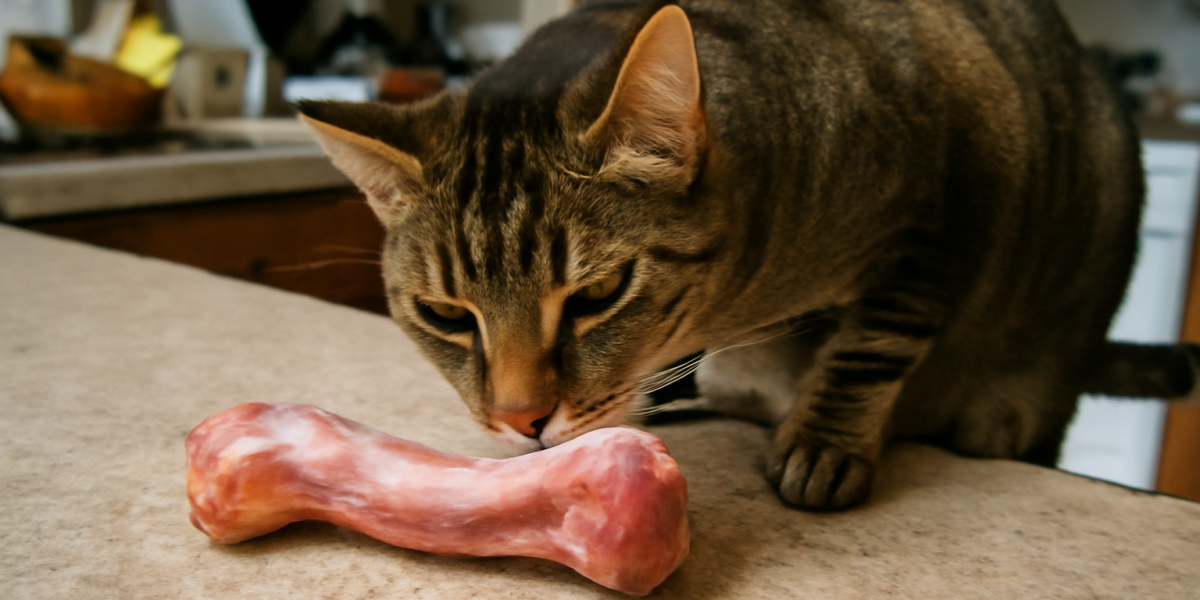
Yes, cats can eat turkey neck, but only when it is raw and properly prepared. Raw turkey necks contain soft, pliable bones that many cats can crunch and digest safely, along with muscle meat, cartilage, and connective tissue that provide excellent nutrition. However, cooked turkey necks are dangerous because cooking makes the bones brittle and prone to splintering, which can cause choking, mouth injuries, or intestinal perforation. The distinction between raw and cooked is absolutely critical when it comes to feeding any bone to a cat.
Turkey necks are a popular component in raw feeding diets for cats, valued for their balance of meat, bone, and cartilage. They can serve as a natural dental health tool since the chewing action helps scrape tartar from teeth. That said, turkey necks are not appropriate for every cat, and supervision during feeding is always necessary.
Nutritional Benefits of Raw Turkey Neck for Cats
Raw turkey necks offer several nutritional advantages that align well with a cat’s dietary needs as an obligate carnivore.
- High-quality protein: The muscle meat on turkey necks provides easily digestible animal protein, the cornerstone of feline nutrition.
- Calcium and phosphorus: The bone content provides these essential minerals in a natural, highly bioavailable ratio that supports strong bones and teeth.
- Glucosamine and chondroitin: The cartilage and connective tissue are natural sources of these joint-supporting compounds, beneficial for aging cats.
- Taurine: Present in the muscle meat, this essential amino acid supports heart health and vision in cats.
- Dental health: The gnawing and crunching action provides mechanical cleaning of the teeth, helping reduce plaque and tartar buildup.
These benefits make raw turkey neck an attractive occasional treat or meal component. However, the nutritional value does not eliminate the risks, which must be carefully managed through proper preparation and feeding practices.
Risks and Precautions
Despite the benefits, feeding turkey necks to cats involves real risks that every owner should understand before offering one.
Bone Splintering (Cooked Bones Only)
Never feed cooked turkey necks. Cooking changes the bone structure, making them hard and brittle. Cooked bones splinter into sharp shards that can puncture the esophagus, stomach, or intestines. This applies to boiled, baked, grilled, smoked, and microwaved bones. Only raw bones are safe.
Choking Hazard
Turkey necks are relatively large for a cat. Some cats may try to swallow chunks too large for their throat, creating a choking hazard. Always supervise your cat while they eat a turkey neck and be prepared to intervene if they struggle.
Bacterial Contamination
Raw poultry carries a risk of Salmonella and Campylobacter. While cats have shorter digestive tracts and more acidic stomachs than humans, making them more resistant to these bacteria, they are not immune. Immunocompromised cats, kittens, and senior cats are at higher risk. Handle raw turkey necks with the same food safety precautions you would use for raw chicken.
Size Appropriateness
A whole turkey neck may be too large for a small or medium cat. Consider cutting the neck into smaller segments (two to three inches) to make it more manageable. Use kitchen shears or a sharp knife to portion the neck while raw.
How to Safely Feed Turkey Neck to Your Cat
Follow these steps for the safest possible experience:
- Source quality meat: Purchase turkey necks from a reputable butcher or grocery store. Choose fresh, not previously frozen and refrozen, to minimize bacterial growth.
- Keep it raw: Serve the turkey neck completely uncooked. Do not season, marinate, or add any flavoring.
- Portion appropriately: For most cats, a two- to three-inch segment of turkey neck is a suitable portion. This can replace one meal, not be added on top of regular meals.
- Supervise actively: Stay with your cat throughout the feeding. Watch for choking, gagging, or struggling to chew.
- Feed on an easy-to-clean surface: Use a plate or mat that can be thoroughly sanitized afterward. Clean the feeding area and your hands with soap and warm water after handling.
- Limit frequency: Once or twice per week is sufficient. Turkey necks should supplement a balanced diet, not replace it.
Some raw feeding advocates recommend holding the turkey neck while the cat chews to prevent them from biting off and swallowing oversized pieces. This approach works well for cats new to raw bones and gives you direct control over the feeding pace.
Which Cats Should Avoid Turkey Necks
Raw turkey necks are not suitable for every cat. Avoid offering them to:
- Kittens under 12 weeks: Their teeth and jaws are not yet strong enough to handle bones safely.
- Senior cats with dental disease: Weak, damaged, or missing teeth make bone-chewing painful and potentially dangerous.
- Cats with digestive disorders: Conditions like inflammatory bowel disease (IBD) or pancreatitis may be aggravated by raw bone material.
- Immunocompromised cats: Cats with feline leukemia virus (FeLV), feline immunodeficiency virus (FIV), or those on immunosuppressive medications face higher bacterial infection risk.
- Cats who gulp food without chewing: Some cats swallow food whole. These cats should not be given bones of any kind.
If you are unsure whether your cat is a good candidate for raw turkey necks, consult your veterinarian. They can assess your cat’s dental health, digestive function, and overall suitability for raw bone feeding.
Alternatives to Turkey Neck for Cats
If turkey neck is too large, too risky, or not suitable for your cat, several alternatives provide similar benefits with fewer concerns.
Raw chicken necks: Smaller and easier for cats to manage. The bones are softer and thinner than turkey necks, making them a better starting point for cats new to raw bones.
Raw chicken wings: Another appropriately sized option with a good meat-to-bone ratio. Remove the wing tip if it has sharp edges.
Freeze-dried raw treats: Commercially prepared freeze-dried meat and bone treats offer some dental benefits without the bacterial risk of fresh raw meat.
Dental treats: If the primary goal is dental health, veterinary-approved dental treats and toys can provide tooth-cleaning benefits without the risks associated with raw bones.
For other protein options your cat might enjoy, explore our guides on cooked turkey for cats and chicken for cats. If you are considering a broader raw diet, our cat care resources include additional feeding guidance.
Frequently Asked Questions
Can cats eat cooked turkey neck bones?
No, absolutely not. Cooked bones of any kind are dangerous for cats. Cooking makes the bones hard and brittle, causing them to splinter into sharp fragments that can puncture the digestive tract. Only feed raw turkey neck bones, and never bones that have been boiled, baked, grilled, or otherwise heat-treated.
How often can I give my cat a turkey neck?
Once or twice per week is a reasonable frequency for most healthy adult cats. Turkey neck should replace a meal on the days it is offered, not be given as an extra on top of regular feeding. Balance the rest of the week’s diet with complete, commercially prepared cat food to ensure all nutritional needs are met.
My cat swallowed a large piece of turkey neck bone. Should I be worried?
If the bone was raw, it is more likely to pass through the digestive system without incident because raw bones are softer and more digestible than cooked bones. Monitor your cat for signs of distress including vomiting, straining to defecate, loss of appetite, lethargy, or bloody stool. If any of these signs appear, contact your veterinarian immediately. If the bone was cooked, seek veterinary advice right away.
Can I feed my cat turkey neck from Thanksgiving leftovers?
No. Thanksgiving turkey necks have been cooked, and many are also seasoned or cooked alongside onions, garlic, and other ingredients that are toxic to cats. Only raw, unseasoned turkey necks from uncooked birds are appropriate. Consider keeping a raw turkey neck set aside before cooking your holiday bird if you want to share the meal with your feline family member.


