
Last updated: May 16, 2026
In this article
- The Quick Answer on Bee Balm and Pets
- What Bee Balm Actually Is
- Why Bee Balm Sits in the Low-Risk Category
- What Could Still Go Wrong
- Symptoms to Watch For After a Nibble
- What to Do if Your Pet Eats Bee Balm
- Bee Balm Versus the Rest of the Pollinator Border
- Placing Bee Balm in a Pet-Friendly Garden
- Caring for Bee Balm So It Stays Tidy
- Adoption and Pet-Safe Living
- Frequently Asked Questions
The Quick Answer on Bee Balm and Pets
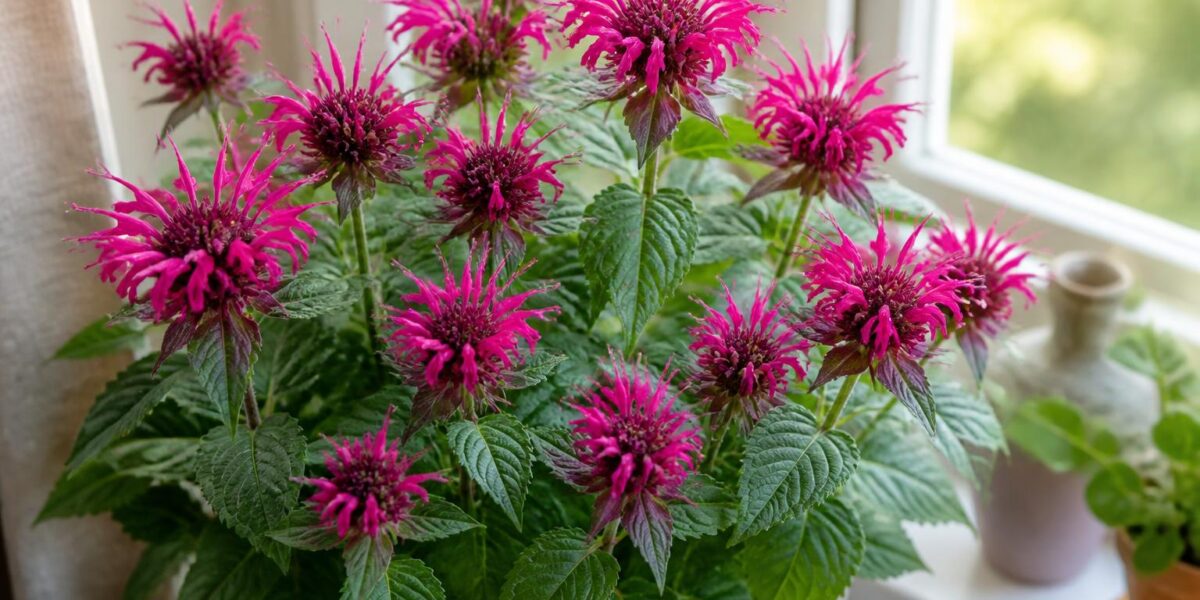
If your dog just trotted through the perennial border and crushed a stand of red, pink, or lavender flower spikes, breathe easy. Bee balm is safe for pets in the form most cats and dogs encounter it, which is the fresh plant growing in pollinator gardens, cottage borders, and meadow plantings. Bee balm covers several Monarda species, most commonly Monarda didyma (scarlet bee balm) and Monarda fistulosa (wild bergamot), and the ASPCA does not list these on its toxic plant database for cats, dogs, or horses. Compared with the genuinely scary garden plants like oleander, foxglove, or lily of the valley, this hummingbird favorite sits in a much calmer category.
That comforting safety profile applies to plant material a curious pet would chew or graze. Concentrated Monarda essential oil, sometimes sold as wild bergamot oil or thymol-rich Monarda oil, is a different story, especially for cats. Cats lack some of the liver enzymes (specifically certain glucuronyl transferase pathways) that dogs and humans use to clear plant essential oils, and any concentrated oil licked off fur or surfaces poses more risk than a fresh leaf. The realistic outcome of a small graze in the garden is no symptoms at all or a brief, self-resolving episode of drooling or soft stool.
What Bee Balm Actually Is
Monarda is a genus of about a dozen aromatic perennials in the mint family Lamiaceae, native to North America. The most common garden species are Monarda didyma with bright scarlet flowers, Monarda fistulosa with lavender flowers and a more drought-tolerant habit, and the annual Monarda citriodora with whorled pink-purple blooms. All three smell strongly of oregano, thyme, or spicy bergamot when crushed, thanks to thymol, carvacrol, and other Lamiaceae aromatic compounds.
The plant earned its common name because the tubular flowers are extraordinarily attractive to honeybees, bumblebees, hummingbirds, and native specialist pollinators. Indigenous peoples of the eastern woodlands used Monarda fistulosa as Oswego tea and as a medicinal infusion long before European settlers borrowed both uses. Today bee balm is one of the most widely planted perennials in North American pollinator gardens.
One important clarification: bee balm is sometimes loosely called bergamot, but it is completely unrelated to the citrus tree (Citrus bergamia) that flavors Earl Grey tea. The citrus is in family Rutaceae, while bee balm is in family Lamiaceae. The shared name is purely coincidental and reflects a passing similarity in scent. Confusing the two leads to dosing and safety mistakes in herbal contexts, so check botanical names if you ever buy a “bergamot” product for a household with pets.
Why Bee Balm Sits in the Low-Risk Category
Most plant safety lists put bee balm alongside other Lamiaceae herbs that have been used in kitchens and pollinator gardens for centuries without producing serious poisoning patterns in dogs or cats. The leaves and flowers do not contain calcium oxalate raphides like aroid family plants, cardiac glycosides like oleander, or grayanotoxins like azalea. Decades of cohabitation with garden dogs, outdoor cats, and grazing rabbits have not produced poison control case patterns that flag the genus as dangerous.
Our umbrella article on whether mint plants are toxic to cats walks through the broader Lamiaceae family caveat in more detail, and our companion piece on mint and dogs applies the same logic with a slightly higher tolerance for fresh-leaf nibbling. The pattern across this family is consistent: the fresh plants are mostly fine, the concentrated essential oils are where caution kicks in.
What Could Still Go Wrong
The realistic problems from a chewed bee balm plant are mechanical and gastrointestinal. Any leafy material eaten in volume can cause vomiting or diarrhea simply because cats and dogs are not built to digest a salad of fibrous greens. Bee balm leaves are slightly tougher than basil or lemon balm, so a determined dog can still trigger a brief upset stomach.
The bigger flag is concentrated Monarda essential oil. Wild bergamot oil, thymol-rich essential oils, and DIY herbal sprays show up in some natural pest control products and aromatherapy blends. A few drops licked off fur, a paw pad, or a bedding fabric is a much higher dose of thymol and carvacrol than a cat or small dog could ever get from a fresh leaf, and that is the exposure pattern most likely to cause vomiting, drooling, weakness, or tremors. Read our deep dive on essential oils that are toxic to cats before adding any concentrated bee balm product to a feline household.
Bees and hummingbirds are also part of the picture. Bee balm is irresistible to pollinators, and a curious puppy that snaps at a bumblebee in flight is more likely to get stung than poisoned. Watch for swollen muzzles, hives, or sudden drooling after a bee encounter, and call your veterinarian for any signs of allergic reaction. The plant itself is not the problem in those cases, but its visitors might be.
Symptoms to Watch For After a Nibble
Most pets that taste a Monarda leaf or flower will show no signs at all. If symptoms appear, they tend to be mild and short-lived, usually within a few hours of grazing. Possible signs include:
- Drooling or repeated lip-licking
- One or two episodes of vomiting
- Soft stool or mild diarrhea
- Reduced appetite for the next meal
- Briefly subdued mood after a large salad
What you should not see from a chewed bee balm plant is severe weakness, tremors, seizures, collapse, blood in vomit or stool, breathing trouble, or pale gums. If any of those appear, the plant is unlikely to be the only thing your pet got into and you need urgent veterinary care regardless of which herb they sampled. Tremors and ataxia after a known essential oil exposure require an immediate call.
What to Do if Your Pet Eats Bee Balm
Start with calm observation. Remove any chewed sprigs from your pet’s reach, wipe their mouth with a damp cloth to clear residual sap or pollen, and offer a small drink of fresh water. Do not give milk, do not try to make your pet vomit at home, and do not give activated charcoal or human medications without veterinary guidance.
Call your own veterinarian if your pet is small, very young, very old, has existing health issues, ate a substantial portion of the plant, or shows symptoms that last more than a few hours. For after-hours guidance, the ASPCA Animal Poison Control Center is reachable at (888) 426-4435, and the Pet Poison Helpline is at (855) 764-7661. Both lines charge a consultation fee but can give you species-specific advice and a case number your regular vet can follow up with.
If the exposure involved concentrated Monarda essential oil rather than fresh leaves, treat that as a more urgent situation. Wash the oil off skin and fur with a mild dish detergent, keep your cat or dog in a well-ventilated room away from any active diffuser, and call a poison line immediately. Bring the bottle or label to any clinic visit so the team can read the exact concentration.
Bee Balm Versus the Rest of the Pollinator Border
Bee balm sits comfortably with the other ASPCA non-toxic herbs and pollinator plants you might already grow. In the herb bed, our guides to basil, fennel, and the lemon-scented sibling lemon balm all describe similarly low-risk profiles. None of these are flagged as toxic for casual foraging, and a mixed pollinator-and-herb bed is one of the safer corners of the garden for a curious dog or supervised cat.
Other Lamiaceae members earn slightly more caution. Rosemary is documented in our guides to rosemary and dogs and rosemary and cats, thyme has a similar profile in our piece on thyme and cats, and lavender is a bigger flag for cats in our article on lavender and cats. Catmint and catnip, two other Lamiaceae cousins, are covered in their own deep dives elsewhere in this batch.
If you are designing a fully pet-safe pollinator border, lean on bee balm, lemon balm, and the safer flowering shrubs. Avoid the genuinely toxic ornamentals that often share a sunny border, including foxglove, monkshood, oleander, and lily of the valley. Our master list of pet-safe garden plants pulls together vetted choices.
Placing Bee Balm in a Pet-Friendly Garden
Bee balm is a vigorous spreader that thrives in moist, sunny borders and tolerates partial shade. The pet-friendly approach is to plant it in a clearly defined bed where the foliage is more decorative than reachable. A back-of-the-border position behind shorter perennials keeps the leaves a step or two away from a curious nose, while letting the flower spikes still attract pollinators above the canopy.
Powdery mildew is a chronic problem with Monarda didyma in humid climates. The fix is good airflow, regular thinning of stems, and choosing mildew-resistant cultivars like ‘Jacob Cline’, ‘Raspberry Wine’, or ‘Marshall’s Delight’. Avoid foliar fungicides that can transfer to a chewing pet, and cut back affected stems instead of treating chemically. Healthy plants also produce less leaf litter on the soil surface for opportunistic chewers.
Bury a plastic pot rim or use a contained raised bed if you want to keep Monarda’s running rhizomes from colonizing the lawn or the dog run. The runners are not dangerous, but the more dispersed the plant, the more chances a foraging pet has to find a stand of unsupervised leaves.
Caring for Bee Balm So It Stays Tidy
A healthy bee balm clump produces more flowers, less mildew, and less broken plant litter for pets to find. Divide the clumps every three years in early spring, replanting the vigorous outer sections and composting the woody center. Cut the plants back to the ground in late fall after the foliage dies down, and rake up the debris promptly so it does not become a winter snack pile for a foraging dog.
Pinch the growing tips in late spring for a bushier plant and slightly later flowering window, especially in tall cultivars that tend to flop. Deadhead spent flower spikes through summer to encourage a second flush of blooms and to keep the planting looking fresh into autumn. Healthy, well-pruned plants are easier to live with in any household, but especially in homes with curious cats or dogs.
Adoption and Pet-Safe Living
If you are reading this because you are pet-proofing in advance of bringing home a new companion, that is exactly the level of care a rescue animal deserves. Walk Me Home Rescue connects people with pets through our adopt cats and adopt dogs hubs, and a thoughtfully chosen pollinator garden is one small but meaningful piece of a welcoming home.
Most adopters find that a few simple swaps and bed redesigns make their existing landscape compatible with a new dog or cat. Bee balm is a strong candidate to keep around. Pair it with sturdy bed edging, mildew-resistant cultivars, and a couple of fully pet-safe sibling herbs, and the whole pollinator border can keep doing what it does best: feeding the bees and hummingbirds while you sip iced tea on the patio without a single midnight worry.
Frequently Asked Questions
Is bee balm safe for cats specifically?
Bee balm is generally considered non-toxic to cats per the ASPCA and major plant safety references when consumed in fresh-plant foraging amounts. The bigger flag is concentrated Monarda essential oil, which can cause vomiting, drooling, tremors, or lethargy in cats because they lack some of the liver enzymes used to clear plant oils. Keep diffusers, tinctures, and natural pest sprays containing thymol or carvacrol out of feline reach.
Can dogs eat bee balm leaves or flowers?
An occasional nibble of fresh bee balm is unlikely to cause more than mild stomach upset in most dogs. Larger ingestions may produce vomiting, soft stool, or briefly reduced appetite. Skip the next meal if your dog seems queasy, offer plenty of water, and call your veterinarian if symptoms last more than a few hours or your dog is very small, very young, or has existing health issues. Watch for bee stings around the flowers too.
Is bee balm the same as the bergamot in Earl Grey tea?
No. Bee balm (Monarda) is a North American mint-family perennial. The bergamot in Earl Grey tea is the bergamot orange (Citrus bergamia), an entirely different plant in the citrus family. They share a common name because of a passing similarity in scent, not any botanical relationship. Always check the botanical name on herbal products before assuming the safety profile is the same.
Are red, pink, and lavender bee balm cultivars equally safe?
Yes. Cultivars like ‘Jacob Cline’ (red), ‘Raspberry Wine’ (pink), and ‘Blue Stocking’ (lavender) are still Monarda didyma or Monarda fistulosa under the hood, with the same chemistry. Flower color does not change the safety profile. The same low-risk framing applies across the cultivar range.
Where should I plant bee balm in a yard with pets?
A back-of-the-border position behind shorter perennials keeps the foliage a step or two away from a curious nose while still letting pollinators reach the flower spikes. Avoid foliar fungicides that can transfer to a chewing pet, sweep up trimmings after every cut-back, and keep concentrated Monarda essential oil products in a closed cabinet. Healthy, mildew-resistant cultivars are easier to live with in any pet-friendly garden.


