
Last updated: May 4, 2026
In this article
Can Cats Eat Emu Safely?
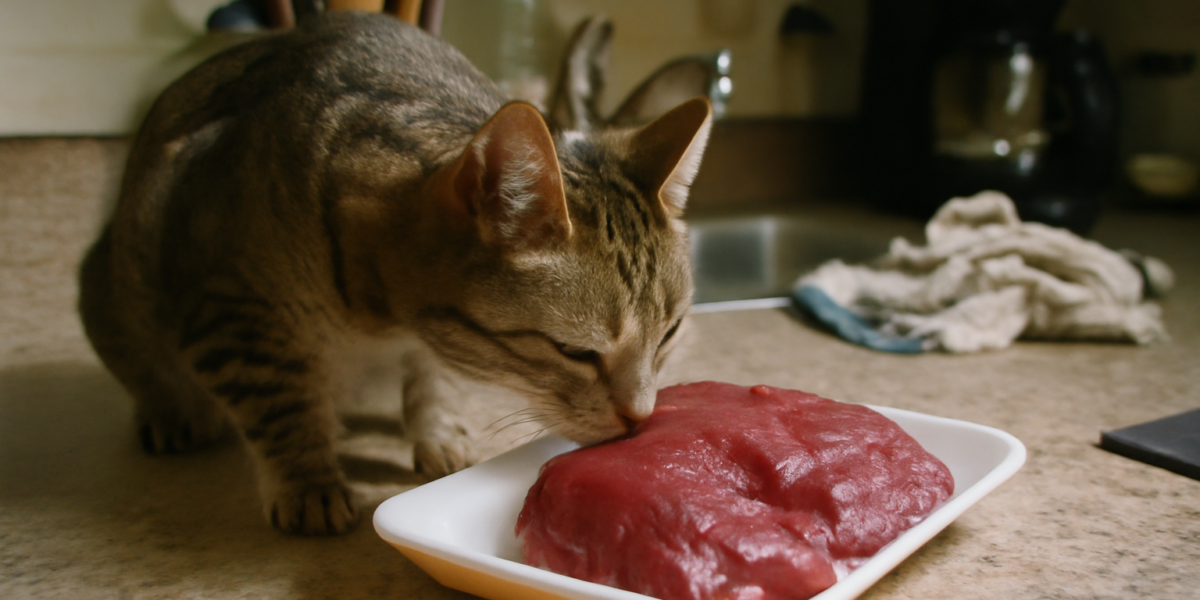
Yes, cats can eat emu meat in moderation, and it can be a useful addition for cats with food sensitivities. Cats are obligate carnivores, meaning their bodies are built to thrive on animal protein, and emu is a clean, lean red meat that fits naturally into a feline-appropriate diet. Properly cooked, plain emu offers a different protein source for cats whose immune systems have grown sensitive to chicken, beef, fish, or other common ingredients.
The keys are simple: cook the meat thoroughly to a safe internal temperature (165 degrees Fahrenheit), serve it plain with no salt, oil, garlic, onion, or seasoning, and offer it as part of an overall complete and balanced diet rather than a sole food source. Emu, like any single protein, does not provide the full nutrient profile a cat needs over the long term. It is a treat or a rotation ingredient in a larger nutritional plan, not a meal replacement.
Emu has been gaining traction in commercial cat foods specifically because it is novel for most cats. Veterinarians treating suspected food allergies sometimes recommend a strict elimination diet using a protein the cat has never encountered, and emu is one of several uncommon options (alongside ostrich, rabbit, and venison) that fit that bill. If you are exploring emu for an allergy workup, do so under veterinary guidance rather than improvising at home.
Why Emu Works for Cats
Cats need taurine, an essential amino acid found in animal tissue, plus high levels of complete animal protein and adequate vitamin A in pre-formed retinol. Plant proteins cannot meet these needs without extensive supplementation, which is why obligate-carnivore status is a real biological constraint, not a marketing claim. Red meats like emu deliver these nutrients in their natural form.
Emu meat is unusually lean for a red meat, with about 1.5 to 3 grams of fat per 100 grams of cooked meat, depending on the cut. It is high in iron, zinc, vitamin B12, and complete protein. The mild flavor tends to be acceptable to cats who can be picky, though every cat is an individual and some refuse new foods entirely.
Compared to chicken or beef, emu has a similar amino acid profile but a different protein structure, which is what makes it useful for elimination diets. A cat’s immune system that has become sensitized to chicken proteins, for example, is unlikely to recognize and react to emu in the same way, at least at first introduction.
Emu in Elimination and Novel-Protein Diets
True food allergies in cats are less common than environmental allergies, but they do occur. A cat with chronic itching, recurrent ear infections, vomiting, or chronic loose stool that cannot be tied to other causes may be a candidate for an elimination diet. The veterinary approach is usually a strict 8 to 12 week trial on a single, novel protein with a single carbohydrate (or a hydrolyzed prescription diet) and zero treats or table food.
Emu is one of several proteins used in this context because most cats have never been exposed to it. Other novel options include rabbit, venison, kangaroo, ostrich, and duck (for cats who have not eaten duck before). The diet must be strict; even a single bite of treats or human food during the trial can confuse the result.
If your veterinarian has prescribed an elimination diet, follow their guidance precisely on which protein to use, what brand of food, and how to handle treats. Adding home-cooked emu on top of a prescription elimination diet can introduce variables that prevent diagnosis. For cats without diagnosed food sensitivity, emu can simply be a rotation protein offered occasionally for variety.
Safe Serving Size
Plain cooked emu should be a treat or topper, not a full meal, unless it is part of a complete commercial cat food formulated by veterinary nutritionists. The 10 percent rule applies, no more than 10 percent of daily calories from treats and extras.
- Kittens: Tiny tastes only, after weaning, and only with veterinary input. Kittens have specific nutritional needs that are best met by complete kitten food.
- Average adult cat (8 to 12 pounds): 1 to 2 teaspoons of cooked emu, two to three times a week.
- Larger adult cat (12 pounds plus): Up to 1 tablespoon, two to three times a week.
- Senior cats: Same as adult portions, but watch for any changes in stool or appetite, and check with the vet if your senior has kidney or thyroid concerns.
Always introduce a new protein gradually. Offer a few small pieces first and watch for 24 hours. If your cat shows no vomiting, no diarrhea, no skin reaction, you can build up to the recommended portion size next time.
How to Cook Emu for Cats
Buy fresh, human-grade emu from a reputable source. Specialty butchers, certain online retailers, and some farmers markets in the United States and Australia carry emu. Look for cuts labeled fresh or frozen with clear sell-by dates and proper refrigeration handling. Avoid emu jerky, sausages, or processed products, which contain salt, spices, and preservatives that are inappropriate for cats.
Cook emu thoroughly to an internal temperature of 165 degrees Fahrenheit (74 degrees Celsius), measured with a meat thermometer. Pan-sear, bake, or boil; do not fry in oil or butter. No salt, no pepper, no garlic, no onion, no marinades. Plain cooked meat, cooled and chopped into small bite-sized pieces or shredded, is the ideal form.
Some cats prefer their food slightly warm; let it cool to body temperature rather than serving piping hot or refrigerator-cold. Leftovers can be refrigerated for up to three days in a sealed container. Discard any meat that has been out at room temperature for more than two hours.
Why Not Raw Emu?
Despite the popularity of raw feeding in some circles, we do not recommend raw emu for most cats. Raw meat carries risks from Salmonella, Campylobacter, Listeria, and parasites, which can affect cats and can also be passed to humans in the household, especially children, immunocompromised people, and the elderly. The convenience of cooking is small relative to the risk of raw.
If you are committed to a raw-feeding philosophy, work with a veterinary nutritionist and source from suppliers who follow BARF-grade safety protocols, including parasite testing and rapid freezing. Even then, raw emu is not appropriate for cats with kidney disease, IBD, pancreatitis, or weakened immune systems.
For most households, plain cooked emu offers all the nutritional benefits of the meat without the pathogen risk. Cooking does not destroy the protein, vitamins, or minerals in any meaningful way, the differences between raw and cooked nutrient profiles are smaller than raw advocates often claim.
What to Avoid: Emu Products to Skip
Several emu products that show up in specialty stores are not appropriate for cats:
- Emu jerky and dried meat: High in sodium and often seasoned. Skip.
- Emu sausages and ground emu blends: May contain pork fat, fillers, salt, and spices including onion or garlic powder.
- Emu oil: A separate product made from rendered emu fat. While sometimes used topically, it is not a food meant for cat consumption and can cause digestive upset and excess calorie load.
- Pre-marinated or seasoned emu cuts: Salt, sugar, garlic, onion, and acidic marinades are all problematic.
- Emu-flavored commercial treats: Read ingredient labels carefully; many contain only token amounts of emu plus a long list of fillers and additives.
The cleanest option is fresh or frozen plain emu meat, cooked at home with no seasoning. Commercial cat foods featuring emu as the main protein are also reasonable if formulated for completeness and balanced by a veterinary nutritionist.
Comparing Emu to Other Novel Proteins for Cats
If emu is hard to find or your cat does not like it, several other novel proteins are commonly used in elimination diets and rotation feeding. Rabbit is a popular novel protein with a similar lean profile and is well-suited to whole-prey-style models. Quail is another option, particularly for cats who do well with poultry but not chicken specifically.
For comparison with familiar proteins, chicken remains the most common and palatable option for cats but is also one of the most common food allergens. Emu sits in a similar nutritional space to other red meats but with a much smaller chance of cross-reactivity for sensitized cats.
Many veterinarians recommend rotation feeding, alternating two to four protein sources across weeks, as a way to reduce the chance of developing a sensitivity to any single protein. Emu can be one of those rotation options for cats who tolerate it well.
When to Skip Emu or Talk to Your Vet First
Emu is a single ingredient and is generally well-tolerated. Still, certain cats should have a vet conversation before starting it: cats with chronic kidney disease who are on a prescription renal diet (rich protein additions can affect their plan); cats with pancreatitis history; cats with inflammatory bowel disease; cats currently on an elimination diet trial; and any cat under veterinary care for chronic illness.
If your cat shows vomiting, diarrhea, itching, or changes in skin and coat after introduction, stop the new food and contact your veterinarian. Adverse reactions to a novel protein on first exposure are uncommon but possible.
For most healthy adult cats, plain cooked emu offered occasionally is a fine, lean, nutritious change of pace. It is not magic and not a cure for allergies on its own, but in the right context it is a useful part of feline nutrition.
Frequently Asked Questions
Is emu meat better than chicken for cats?
Better is the wrong frame; different is more accurate. Emu is leaner than most chicken cuts and carries different protein structures, which makes it useful for cats who have developed sensitivity to chicken. For cats with no allergy concerns, both are good protein options when prepared plain and cooked.
Can cats eat emu eggs?
Cooked emu eggs are likely safe for cats in tiny amounts (one emu egg is the equivalent of about ten chicken eggs, so a small portion goes a long way). Raw emu eggs carry the same Salmonella risks as raw chicken eggs and are not recommended.
Where do I buy emu meat?
Specialty butchers, exotic meat retailers, and some online suppliers carry emu in the United States and Australia. Look for human-grade fresh or frozen meat from a reputable source. Some commercial cat foods now include emu as a primary protein.
Can kittens eat emu?
Kittens have specific nutritional needs best met by complete kitten food. Tiny tastes of plain cooked emu are unlikely to harm a healthy kitten past weaning, but emu should not replace properly formulated kitten nutrition.
How is emu different from ostrich for cats?
Emu and ostrich are both ratite birds (large, flightless) with similar lean red-meat profiles, both useful as novel proteins. They are interchangeable for most practical purposes; some cats may tolerate one but not the other, so they are sometimes rotated.


