
Last updated: May 6, 2026
In this article
Can Cats Eat Quail Meat Safely?
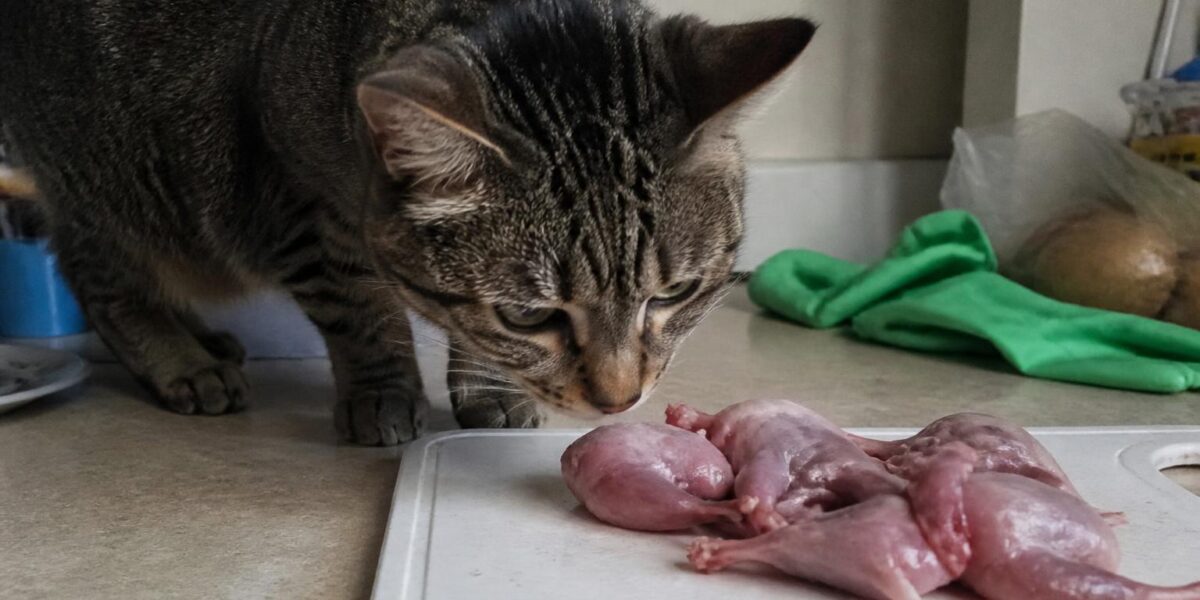
Yes, cats can eat quail meat in moderation, and it is one of the more naturally appropriate proteins for feline-style feeding. Quail are small game birds, and in whole-prey nutritional models they are sometimes fed whole, bones and all, as a close approximation of what an outdoor-hunting cat might catch. Plain cooked quail breast or thigh meat is a fine novel protein for cats with poultry sensitivities, and the lean profile pairs well with the high-protein diet that obligate carnivores need.
The big preparation rule is that cooked quail bones must never be fed to cats. Cooking changes the structure of bone, making it brittle and prone to splintering, which can cause oral injury, choking, esophageal trauma, or gastrointestinal perforation. Raw quail in whole-prey form (carcass intact) keeps the bones soft and chewable for cats following a strict raw-feeding plan, but raw feeding has its own pathogen and parasite considerations that warrant careful sourcing.
For most pet parents, plain boneless cooked quail meat in small amounts is the simplest, safest way to introduce this protein. Source human-grade quail from a reputable supplier, cook to a safe internal temperature, debone thoroughly, and serve plain. Whether you eventually move toward whole-prey raw feeding is a separate decision that should involve a veterinary nutritionist.
Why Quail Suits Cats
Cats evolved hunting small birds and rodents, and small game birds like quail closely resemble that natural prey both in size and in nutritional composition. Quail meat is high in complete protein, B vitamins (especially B6, B12, and niacin), iron, zinc, and selenium. The fat content is moderate, and the meat has a darker, slightly stronger flavor than chicken that many cats find appealing.
Quail is also novel for most cats. Mainstream commercial cat foods rarely use quail as a primary protein, so cats whose immune systems have grown sensitized to chicken, beef, fish, or lamb are unlikely to react to quail at first introduction. This makes it a candidate for elimination diets and rotation feeding in cats with food sensitivities.
Like other novel proteins, quail does not provide a complete and balanced diet on its own. It is best used as a fresh-food topping, treat, or rotation ingredient alongside a complete commercial cat food, unless you are working with a veterinary nutritionist to design a balanced homemade diet around quail.
Cooked Quail: The Safe Default
Plain cooked, deboned quail meat is the form we recommend for most cat feeding. Cooking eliminates Salmonella, Campylobacter, and other foodborne pathogens that can affect both cats and humans in the household. The nutritional cost of cooking is small relative to the safety gains.
Cook quail to an internal temperature of 165 degrees Fahrenheit. Pan-sear, bake, or boil; do not fry in oil or butter. No salt, no pepper, no garlic, no onion, no marinades. Once cooked, debone thoroughly, every quail bone, including ribs, wings, drumsticks, and the small cooked bones around the spine, must be removed before serving to a cat. Cooked bones splinter and pose serious injury risk.
Chop or shred the deboned meat into small pieces and let cool to room or body temperature before offering. Refrigerate leftovers for up to three days in a sealed container. Quail portions freeze well in single servings if you cook a batch at once.
Raw Whole Quail: A Different Approach
In strict whole-prey raw feeding programs, small game birds like quail are sometimes fed whole, with all bones intact, to cats. The argument is that raw bones remain soft enough to be chewed, crushed, and digested without splintering, providing calcium, phosphorus, and a natural feeding-behavior outlet for the cat.
This approach is feasible for some cats but requires significant care: source human-grade or BARF-grade quail with documented parasite and pathogen testing, follow rapid-freeze protocols (freezing at minus 4 degrees Fahrenheit for at least three weeks helps reduce parasitic risk for some species, though it is not a complete safeguard), and feed whole birds only if your cat is large enough and healthy enough to handle the meal. Kittens, senior cats, cats with dental disease, and cats with compromised immune function should not receive whole prey.
Even with proper sourcing, raw feeding carries household risks: cross-contamination of kitchen surfaces, exposure to children or immunocompromised family members, and the small but real possibility that even tested raw meat carries pathogens. We recommend working with a veterinary nutritionist if you are committed to raw whole-prey feeding, and we default to recommending cooked, deboned quail for most cat households.
The Cooked Bone Warning
This warning bears its own section because the consequences are serious. Cooked bones from any bird, quail, chicken, turkey, duck, become brittle and split lengthwise into sharp shards when chewed. These shards can:
- Cut the gums, tongue, or palate during chewing
- Lodge in the esophagus, requiring veterinary removal
- Puncture the stomach or intestinal wall, causing internal bleeding or peritonitis
- Cause obstructions that require surgery
- Splinter into chips that scratch the digestive tract
If your cat eats a cooked quail bone, watch carefully for signs of distress: drooling, gagging, retching, refusing food or water, vomiting (especially with blood), abdominal pain, lethargy, or changes in stool over the following 72 hours. Any of these signs warrants an immediate veterinary visit. Do not try to induce vomiting at home; bone fragments can cause more damage on the way back up.
Safe Serving Sizes for Quail
Plain cooked quail meat fits within the 10 percent rule for treats and toppings, no more than 10 percent of daily calories from non-complete-diet sources.
- Average adult cat (8 to 12 pounds): 1 to 2 teaspoons of cooked, deboned quail, two to three times a week.
- Larger adult cat (12 pounds plus): Up to 1 tablespoon, two to three times a week.
- Senior cats: Same portions as adult cats, watching for digestive changes.
- Kittens: Tiny tastes only after weaning, and only with veterinary input. Kittens need complete kitten food.
Introduce quail gradually. Offer a few small pieces and watch for 24 hours before increasing the amount. If your cat shows no vomiting, no diarrhea, and no skin reaction, you can build up to a full portion next time.
Quail Eggs: A Quick Note
Cooked quail eggs are generally safe for cats in tiny amounts. They are nutrient-dense, with similar protein, fat, and vitamin profiles to chicken eggs at a smaller size. Hard-boiled, scrambled (without butter or oil), or poached quail eggs can be offered as a rare treat.
Avoid raw quail eggs for the same reasons as raw chicken eggs, Salmonella risk and the avidin content of raw egg whites, which can interfere with biotin absorption when fed regularly. Cooking deactivates avidin and kills any pathogens. A quarter to half of a cooked quail egg once or twice a week is plenty for a typical adult cat.
Quail eggs can also be a useful protein for cats during recovery from illness or for picky eaters who refuse other foods. Consult your veterinarian if you are using eggs as a supplement to a managed diet.
Sourcing Quail
Source matters with any meat for cats. Acceptable sources include human-grade quail from specialty butchers, ethnic markets (quail is common in Italian, French, Middle Eastern, and East Asian cuisines), online retailers selling whole or processed quail, and BARF-program suppliers if you are feeding raw.
Avoid hunted wild quail unless you can verify the bird was healthy, properly handled from field to kitchen, and free of parasites. Wild birds can carry various pathogens and may have been exposed to lead from ammunition or environmental contaminants. Hunting-sourced game is generally not recommended for pet feeding.
Frozen quail from grocery stores or specialty retailers is convenient and often cheaper than fresh. Thaw in the refrigerator overnight before cooking, and follow standard food-safety practices in your kitchen.
Comparing Quail to Other Cat Proteins
If quail is unavailable or your cat does not care for it, several similar proteins offer comparable nutritional profiles. Rabbit is another popular novel protein with a lean profile and good acceptance among cats. Chicken is the most common cat protein and a good baseline for cats without poultry sensitivity.
For cats already eating poultry-based commercial diets, quail can be a stand-in for occasional variety without making a big nutritional change. For cats with chicken sensitivity, quail is a useful step away from the common poultry triggers.
Whole-prey-style feeding can also include other small birds like squab (young pigeon) or game birds like pheasant for cats with appropriate veterinary nutrition guidance. Each protein brings small variations in nutrient density and flavor.
When to Skip Quail
Most healthy cats can have plain cooked quail. Skip or check with your vet first if your cat has: chronic kidney disease on a prescription renal diet; pancreatitis history; inflammatory bowel disease; weakened immune function; or is on a strict elimination diet trial.
For raw feeding specifically, additional caution applies. Cats with any of the above conditions should not receive raw quail, period. Households with young children, elderly members, or immunocompromised individuals should also weigh the zoonotic risk carefully and may default to cooked feeding for everyone’s safety.
If your cat shows vomiting, diarrhea, or any unusual symptoms after eating quail, stop the new food and consult your veterinarian. Trace symptoms back to the meat source if possible, contamination, parasites, or simple novel-food intolerance can all manifest as digestive upset, and the right response depends on the cause.
Frequently Asked Questions
Can cats eat raw quail?
With strict sourcing from a BARF-grade supplier, raw quail can be fed to healthy adult cats following a whole-prey nutritional plan. We recommend cooked quail for most pet households because the safety margin is much wider and the nutritional cost is small.
Can cats eat quail bones?
Raw quail bones, in the context of whole-prey feeding from BARF-grade sources, can be fed to appropriate cats. Cooked quail bones must never be fed; cooking makes them brittle and prone to splintering, with serious injury risk.
How much quail can my cat eat?
For most adult cats, 1 to 2 teaspoons of plain cooked, deboned quail two to three times a week is a reasonable treat amount. If quail is the primary protein in a complete commercial cat food, daily feeding per the manufacturer’s guidelines is appropriate.
Are quail eggs better than chicken eggs for cats?
Nutritionally, they are similar at smaller portion sizes. Cooked quail eggs are a fine occasional treat. Some cats prefer the smaller, more delicate eggs; others have no preference. Either is acceptable when cooked and offered in small amounts.
Where can I buy quail for my cat?
Specialty butchers, ethnic grocery stores (especially Italian, Asian, and Middle Eastern markets), and online retailers carry fresh and frozen quail. For raw whole-prey feeding, BARF-program suppliers offer pre-frozen quail with documented safety protocols.


