
Last updated: April 9, 2026
In this article
Can Cats Eat Squid? Safety Guide for Cat Owners
Squid is a popular seafood enjoyed in cuisines around the globe, from calamari rings to grilled squid salads. Its distinctive chewy texture and mild oceanic flavor make it a versatile ingredient in human cooking. If you have ever noticed your cat showing keen interest while you prepare or eat squid, you have probably wondered whether it is safe to share. The answer requires some nuance.
Cats are obligate carnivores whose bodies are designed to process animal-based proteins. In theory, squid fits within this dietary framework as a marine protein source. However, squid comes with some unique considerations that set it apart from other seafood options. Most notably, raw squid contains an enzyme called thiaminase that destroys thiamine, an essential B vitamin that cats need for proper neurological function. This makes preparation method critically important.
In this guide, we will explore the full picture of feeding squid to cats, covering nutritional content, potential benefits and hazards, safe preparation techniques, warning signs to monitor, and better alternatives to consider. Understanding these details will help you make informed decisions about your cat’s diet.
Quick Answer
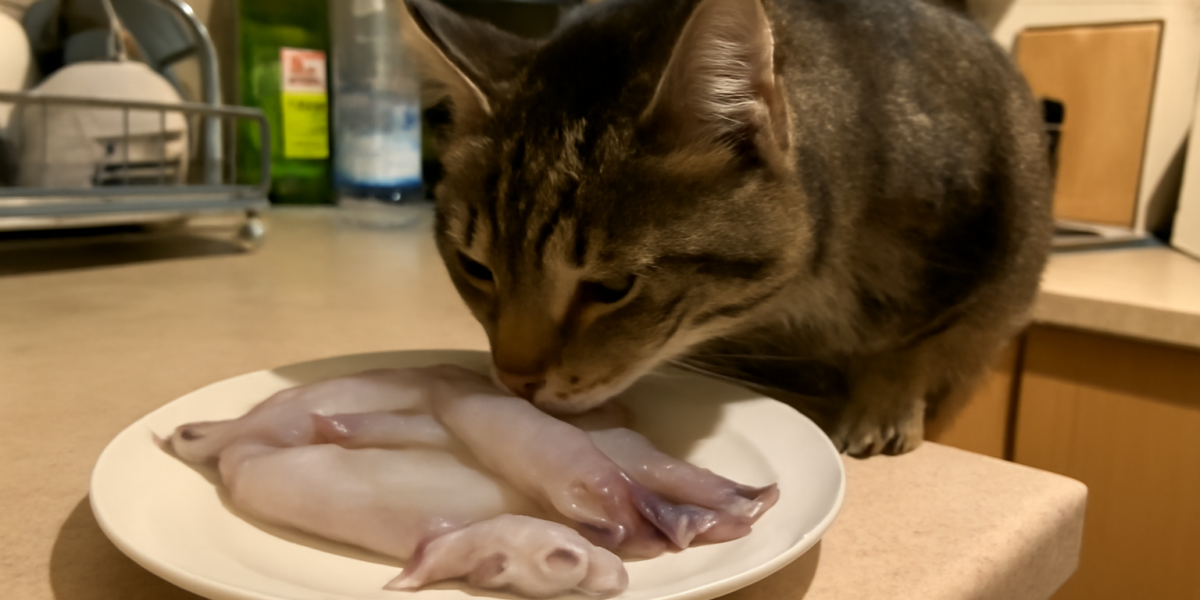
Yes, cats can eat squid, but only when it is plain, fully cooked, and served in small amounts as an occasional treat. Cooking is essential because raw squid contains thiaminase, an enzyme that breaks down thiamine (vitamin B1) in a cat’s body. Thiamine deficiency can lead to serious neurological problems in cats, making raw squid genuinely dangerous rather than merely inadvisable.
Cooked squid should be prepared without any batter, breading, oil, butter, garlic, salt, or other seasonings. Boiling or steaming in plain water is the safest cooking method. Portions should be very small, limited to a few bite-sized pieces no more than once or twice a month. The rubbery texture of squid can also pose a choking risk, so cutting it into very small pieces is important.
Cats with sensitive stomachs, kidney disease, or other chronic conditions should avoid squid. If you are introducing squid for the first time, offer only a tiny amount and observe your cat for 24 hours before considering additional servings. As always, consult your veterinarian if you have concerns about adding new foods to your cat’s diet.
Nutritional Considerations for Cats
Squid is a lean protein source with a favorable macronutrient profile for cats. A three-ounce serving of cooked squid contains approximately 90 calories, 15 grams of protein, and about 1.5 grams of fat. The protein is complete, meaning it contains all essential amino acids, though not all in quantities sufficient to meet a cat’s full dietary requirements on its own.
From a micronutrient standpoint, squid provides several noteworthy components. It is a good source of vitamin B12, which plays a vital role in nervous system health and red blood cell production. Squid also contains meaningful amounts of selenium, a trace mineral with antioxidant properties that helps protect cells from oxidative damage.
Copper is present in relatively high concentrations in squid compared to many other protein sources. While copper is an essential mineral that supports iron metabolism, connective tissue formation, and immune function, excessive copper intake can be problematic. Cats with liver conditions are particularly sensitive to copper, as their ability to excrete excess copper may be compromised.
Squid provides zinc, which supports immune health and skin integrity, and phosphorus, which is important for bone structure and energy metabolism. Small amounts of omega-3 fatty acids are also present, though squid is not as rich in these beneficial fats as fatty fish like salmon or sardines.
The sodium content of fresh cooked squid is moderate, at roughly 260 milligrams per three-ounce serving. This is lower than some shellfish but still noteworthy for cats, who have limited sodium tolerance. Prepared squid dishes typically contain far more sodium due to added salt and seasoning, which is one reason only plain cooked squid is appropriate for cats.
The most significant nutritional concern specific to squid is the thiaminase issue. Raw squid contains this enzyme in sufficient quantities to actively deplete thiamine stores in cats. Thiamine (vitamin B1) is essential for carbohydrate metabolism and neurological function. Cooking denatures the thiaminase enzyme, rendering it inactive. This is why thorough cooking is not optional when feeding squid to cats.
Benefits and Risks of Feeding Squid to Cats
When properly cooked and served plain, squid does offer some benefits for cats. The lean, high-quality protein supports muscle maintenance and provides essential amino acids that obligate carnivores need. The selenium content contributes to antioxidant defense, and the B12 supports neurological health and blood cell production.
Squid’s distinctive scent and flavor can be useful for stimulating appetite in cats who have become disinterested in their regular food. Some cats find seafood flavors particularly enticing, and a small amount of cooked squid added to their regular meal may encourage eating during periods of reduced appetite.
However, the risks associated with squid are more substantial than those of many other seafood options, and they deserve careful consideration.
The thiaminase content of raw squid is the most serious concern. If a cat consumes raw squid regularly, the thiaminase enzyme can deplete the cat’s thiamine reserves, leading to thiamine deficiency. Early symptoms include loss of appetite, vomiting, and lethargy. As the deficiency progresses, neurological signs develop, including lack of coordination, head tilting, circling, seizures, and eventually coma. Thiamine deficiency can be fatal if not recognized and treated promptly. While a single small exposure to raw squid is unlikely to cause deficiency, the risk is real and entirely preventable through proper cooking.
The texture of squid presents a physical hazard. Cooked squid is inherently chewy and rubbery, which can make it difficult for cats to chew properly. Pieces that are too large may be swallowed whole, creating a choking risk or causing digestive discomfort. Cutting squid into very small pieces is essential to mitigate this concern.
Allergic reactions to squid, while uncommon, can occur in cats. Symptoms may include itching, skin inflammation, facial swelling, vomiting, and diarrhea. Severe reactions involving respiratory distress require immediate veterinary attention.
Like other seafood, squid can accumulate environmental contaminants including mercury and cadmium. While squid generally has lower mercury levels than large predatory fish, regular consumption could lead to cumulative exposure. Keeping squid as an infrequent treat minimizes this concern.
Fried calamari, the most common way squid is prepared for human consumption, is entirely inappropriate for cats. The batter, oil, salt, and accompanying dipping sauces introduce excessive fat, sodium, carbohydrates, and potentially toxic ingredients like garlic.
How to Serve Squid Safely to Your Cat
Preparing squid for your cat requires careful attention to ensure it is safe and digestible. Start with fresh or frozen plain squid. Cleaned squid tubes and tentacles are available at most fishmongers and many grocery stores. Avoid pre-seasoned, marinated, or breaded squid products.
If using frozen squid, thaw it completely in the refrigerator. Do not thaw at room temperature, as this promotes bacterial growth on the surface while the interior remains frozen. Once fully thawed, rinse the squid under cold running water.
Clean the squid thoroughly if it has not been pre-cleaned. Remove the internal cartilage (pen), the beak, the eyes, and any remaining viscera. Rinse the tubes and tentacles again after cleaning.
Cook the squid by boiling or steaming it in plain water. Do not add salt, oil, butter, lemon juice, garlic, or any seasonings. Squid cooks quickly and becomes increasingly tough with prolonged cooking. Boil or steam for two to three minutes until the flesh turns opaque white and firms up. Alternatively, you can cook it for a longer period of 30 to 45 minutes at a low simmer, which will eventually make it tender again.
After cooking, allow the squid to cool to room temperature. Cut it into very small pieces, no larger than the size of a pea, to address the chewy texture and reduce choking risk. For cats who tend to gulp food without chewing, even smaller pieces may be necessary.
For the first introduction, offer just one or two tiny pieces and monitor your cat for 24 hours. If no adverse reactions occur, you can offer up to three or four small pieces as a treat on future occasions, limiting frequency to once or twice per month.
If you are looking for a feline companion to enjoy life with, consider visiting our adoption page to find cats in need of loving homes.
Signs of Problems After Eating Squid
Monitoring your cat after feeding squid is particularly important given the unique risks this food presents. Be aware of both immediate reactions and delayed symptoms that could indicate thiamine-related issues from accidental raw squid exposure.
Immediate gastrointestinal reactions include vomiting, diarrhea, excessive drooling, and loss of appetite. These symptoms usually appear within a few hours of consumption and may result from digestive sensitivity to squid’s unique protein composition or from the chewy texture causing stomach irritation. Mild symptoms typically resolve within 24 hours, but persistent or severe symptoms warrant veterinary attention.
Choking signs include gagging, retching, pawing at the mouth, difficulty swallowing, and distressed vocalizations. The rubbery consistency of squid makes choking a realistic possibility if pieces are too large. If your cat appears to be choking and cannot resolve the obstruction independently, seek emergency veterinary help immediately.
Allergic reactions may manifest as skin itching, redness, hives, swelling of the face or paws, sneezing, or watery eyes. Severe allergic responses can include labored breathing and collapse. Any respiratory distress requires immediate emergency veterinary care.
If your cat consumed raw squid, watch for signs of thiamine deficiency in the days and weeks following. Early indicators include decreased appetite, weight loss, and vomiting. Progressive neurological signs include a wobbly gait, head tilt, dilated pupils, disorientation, circling, and seizures. If you suspect your cat ate raw squid and is showing any neurological symptoms, contact your veterinarian urgently. Thiamine deficiency is treatable with supplementation when caught early but can be fatal if allowed to progress.
Healthy Alternatives to Squid for Cats
Given the additional preparation concerns associated with squid, many cat owners prefer to offer simpler seafood or meat treats that provide comparable nutritional benefits with fewer risks. Here are several excellent alternatives to consider.
Plain cooked shrimp is one of the most cat-friendly seafood treats available. It is high in protein, low in fat, and has a softer texture than squid that is easier for cats to chew and digest. Most cats find shrimp irresistible, and it is straightforward to prepare by boiling or steaming without seasonings. You can also read about whether cats can eat scallops for another shellfish option.
Cooked white fish such as cod, haddock, or tilapia provides lean protein with lower sodium levels than most shellfish. These fish have a mild flavor and soft, flaky texture that cats can manage easily. They are also less likely to contain thiaminase than squid, making them a safer choice overall.
Plain cooked chicken breast is widely regarded as the safest and most reliable meat treat for cats. It is low in sodium, low in fat, rich in protein, and extremely well-tolerated by the vast majority of felines. It can be prepared simply by boiling or baking without seasoning, then shredding or cutting into small pieces.
Plain cooked salmon, served boneless and without seasoning, offers a stronger omega-3 fatty acid profile than squid. These fatty acids support skin, coat, and joint health. Salmon is also typically softer in texture than squid, reducing choking concerns.
If you are considering welcoming a cat into your family, our adoption center has wonderful cats looking for their forever homes. Providing proper nutrition, including appropriate treats, is one of the best ways to show your new companion how much you care.
Frequently Asked Questions
Can cats eat raw squid?
No, cats should never eat raw squid. Raw squid contains thiaminase, an enzyme that destroys thiamine (vitamin B1) in the body. Thiamine is essential for neurological function in cats, and deficiency can cause loss of coordination, seizures, and potentially death. Raw squid also carries the risk of bacterial contamination including Vibrio and Salmonella. Always cook squid thoroughly before offering any to your cat.
Can cats eat calamari?
Cats should not eat calamari as it is typically prepared for human consumption. Fried calamari is coated in batter and deep-fried, introducing excessive fat, carbohydrates, and salt. It is often served with garlic-containing sauces that are toxic to cats. However, the underlying squid meat in calamari is safe if it is removed from the preparation, cooked plain by boiling or steaming, and served in small pieces without any breading or seasoning.
Is squid better or worse for cats than other seafood?
Squid carries more preparation concerns than many other seafood options due to the thiaminase content in raw squid and its chewy texture. Nutritionally, it offers comparable protein and micronutrients to other shellfish and fish. For simplicity and safety, options like plain cooked shrimp, white fish, or salmon are generally preferable as cat treats. These alternatives are easier to prepare, safer to serve, and equally or more nutritious.
How small should I cut squid pieces for my cat?
Cut cooked squid into pieces no larger than the size of a pea for an average adult cat. The rubbery, chewy texture of squid makes it more difficult for cats to chew properly compared to softer meats or fish. Pieces that are too large can pose a choking hazard or cause digestive discomfort. For cats who tend to swallow food without chewing, cut pieces even smaller or consider mashing the squid slightly to break down the texture.
Can cats eat dried squid snacks?
Dried squid snacks sold for human consumption are not safe for cats. These products are typically seasoned with salt, sugar, monosodium glutamate, and various flavorings that are inappropriate for feline consumption. The concentrated sodium content alone makes dried squid snacks potentially harmful. Additionally, the tough, dried texture increases choking risk. Only plain, freshly cooked squid prepared without any seasoning should be offered to cats.
What should I do if my cat ate raw squid?
If your cat consumed a small piece of raw squid as a one-time incident, the risk of thiamine deficiency from a single exposure is low. Monitor your cat for signs of gastrointestinal upset such as vomiting or diarrhea over the next 24 hours. If symptoms are mild and resolve quickly, your cat is likely fine. However, if your cat consumed a large amount of raw squid, or if you notice any neurological symptoms such as unsteadiness, head tilting, or disorientation in the following days, contact your veterinarian immediately for evaluation and potential thiamine supplementation.


