
Last updated: May 4, 2026
In this article
Swiss Cheese Is Safe for Cats in Very Small Amounts
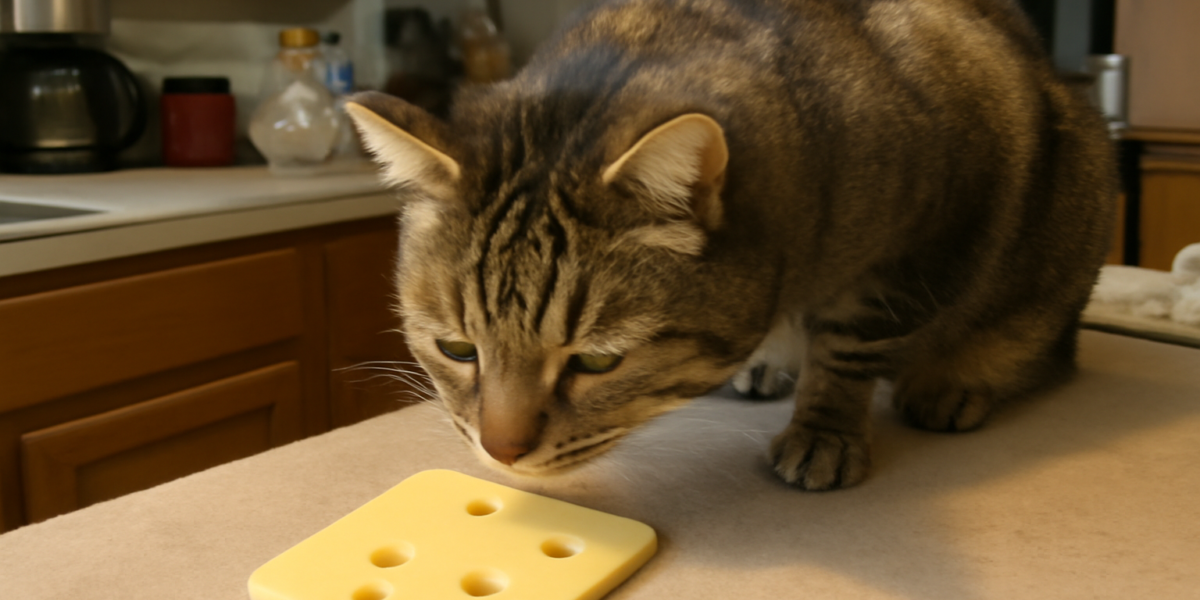
Yes, cats can eat Swiss cheese in very small amounts. Swiss cheese is one of the lower-lactose cheese varieties, which makes it slightly easier for cats to tolerate compared to soft, fresh cheeses like ricotta or cottage cheese. However, “lower lactose” does not mean “lactose-free,” and most adult cats are lactose intolerant to some degree. A small nibble of Swiss cheese as an occasional treat is unlikely to cause problems, but it should never become a regular part of your cat’s diet.
The appeal of Swiss cheese to cats comes from its fat and protein content. Cats are attracted to the rich smell and creamy texture of cheese, and many will eagerly accept a small piece. The question is not whether your cat wants it but whether it is good for them, and the answer requires understanding both the benefits and the limitations.
Why Swiss Cheese Has Less Lactose
The aging and fermentation process of Swiss cheese naturally reduces its lactose content. During production, bacterial cultures convert much of the milk sugar (lactose) into lactic acid. Swiss cheese is aged for several months, during which additional lactose is broken down. The result is a cheese with roughly 0 to 3.4 grams of lactose per ounce, compared to 0.7 to 6 grams per ounce for many softer cheeses.
Other aged cheeses with similarly low lactose levels include cheddar, Parmesan, and Gouda. In general, the harder and more aged the cheese, the less lactose it contains. This makes aged cheeses somewhat safer choices for cats than fresh, soft cheeses.
That said, even the reduced lactose in Swiss cheese can cause digestive symptoms in particularly sensitive cats. The lactase enzyme, which breaks down lactose, is produced in decreasing amounts as cats mature past weaning age. Some adult cats retain virtually no lactase activity, making them intolerant to even small amounts of dairy.
Nutritional Considerations
Swiss cheese provides some nutrients that cats can use, but it also delivers things their bodies do not need in excess.
Potential Benefits (in Small Amounts)
- Protein: Swiss cheese contains about 8 grams of protein per ounce, which is animal-derived and contains amino acids cats need.
- Calcium: Important for bone and dental health. One ounce of Swiss cheese provides roughly 220 mg of calcium.
- Vitamin B12: Supports nervous system function and red blood cell production.
- Palatability: The strong flavor makes Swiss cheese useful as a high-value treat for administering medication.
Concerns
- Fat content: Swiss cheese contains about 8 grams of fat per ounce. While cats need dietary fat, excess fat from treats contributes to obesity and can trigger pancreatitis in susceptible cats.
- Sodium: One ounce of Swiss cheese contains 55 to 75 mg of sodium. While this is lower than many cheeses, cats have low sodium requirements, and excess sodium stresses the kidneys.
- Calories: At about 110 calories per ounce, cheese is calorie-dense. For a 10-pound cat who needs roughly 200 to 250 calories per day, even a small piece of cheese represents a meaningful portion of daily intake.
- Residual lactose: Even the reduced lactose in Swiss cheese may cause symptoms in highly sensitive cats.
Safe Portion Sizes and Frequency
If you want to offer your cat Swiss cheese as an occasional treat, moderation is non-negotiable. Follow these guidelines:
Portion size: A piece roughly the size of your pinky fingernail, or about a quarter-inch cube, is appropriate. This provides the taste experience without a significant caloric, fat, or lactose impact.
Frequency: No more than once or twice per week. Swiss cheese should be an occasional indulgence, not a daily treat.
Calorie counting: A quarter-inch cube of Swiss cheese contains roughly 15 to 20 calories. On days you offer cheese, slightly reduce the regular food portion to account for the extra calories.
First-time offering: Give your cat a very small piece and wait 24 hours to observe for any digestive reaction before offering more. This tests for individual lactose sensitivity without risking significant upset.
Swiss cheese is particularly useful as a “pill pocket” for cats who need medication. Wrapping a small pill in a thin piece of Swiss cheese can make medicating a resistant cat much easier. The strong flavor and soft-firm texture are well-suited for this purpose.
Signs of Lactose Intolerance in Cats
After eating any dairy product, watch your cat for signs of lactose intolerance. Symptoms typically appear within 8 to 12 hours of consumption and may include:
- Diarrhea or loose stools
- Excessive gas and bloating
- Abdominal discomfort (restlessness, vocalizing, hunching)
- Vomiting (less common than diarrhea)
- Decreased appetite at the next meal
If your cat shows any of these symptoms after eating Swiss cheese, dairy products are not a suitable treat for them. Every cat’s lactose tolerance is different, and some cats cannot handle even the small amounts in aged cheeses. There is no shame in crossing cheese off the treat list and choosing a protein-based alternative instead.
Persistent diarrhea after dairy exposure typically resolves within 24 to 48 hours once the lactose clears the system. If symptoms last longer or are accompanied by lethargy, blood in the stool, or dehydration, contact your veterinarian.
Cheeses to Avoid Giving to Cats
Not all cheeses are created equal when it comes to feline safety. While Swiss cheese is among the more tolerable options, several cheese types should be avoided entirely:
- Blue cheese: Contains Roquefortine C, a mycotoxin produced by the mold cultures, which can cause vomiting, diarrhea, tremors, and seizures in cats.
- Cream cheese: High in lactose and fat. Very likely to cause digestive upset.
- Brie and Camembert: Soft, mold-ripened cheeses with higher lactose levels and potential mold-related concerns.
- Processed cheese (American cheese, cheese spreads): Contain additives, preservatives, and high sodium levels.
- Any cheese with added garlic, onion, or herbs: Garlic and onion are toxic to cats even in small amounts.
If you enjoy giving your cat cheese, stick with small amounts of aged, plain varieties like Swiss, cheddar, or Parmesan. For cat owners curious about other dairy options, our guide on yogurt for cats explores another fermented dairy product with reduced lactose.
Better Treat Options for Cats
While Swiss cheese is acceptable in tiny amounts, several treat options provide more nutritional value with fewer drawbacks for obligate carnivores.
Freeze-dried single-ingredient meat treats (chicken, turkey, salmon, or beef) give your cat the rich flavor they crave with protein rather than fat and lactose. Small pieces of cooked, unseasoned chicken or turkey breast are inexpensive and highly palatable. Commercial dental treats offer the added benefit of mechanical tooth cleaning.
For cats who specifically enjoy the creamy texture of cheese, a small amount of plain, unsweetened yogurt may be better tolerated because the bacterial cultures have pre-digested much of the lactose. Purpose-made cat milk products provide a dairy-like experience formulated for feline digestion.
All treats, cheese or otherwise, should comprise no more than 10 percent of your cat’s daily calories. The other 90 percent should come from a complete, balanced cat food that meets AAFCO standards. If you have recently adopted a cat, discuss appropriate treats and nutrition with your vet during the first checkup.
Frequently Asked Questions
Is Swiss cheese safer than cheddar for cats?
Swiss and cheddar have very similar lactose levels since both are aged cheeses. The choice between them is largely a matter of your cat’s preference. Both are acceptable in small amounts. Cheddar may be slightly higher in sodium depending on the brand, so check labels if sodium is a concern for your cat.
Can I use Swiss cheese to give my cat medicine?
Yes, Swiss cheese can work well as a pill pocket. Use just enough cheese to wrap around the pill, keeping the portion as small as possible. The strong flavor and slightly soft texture make it effective for disguising tablets. If your cat needs daily medication long-term, ask your vet about compounding the medication into a flavored liquid to avoid daily dairy exposure.
My cat ate a large piece of Swiss cheese. Should I worry?
A single large piece is unlikely to cause serious harm but may trigger digestive upset, particularly diarrhea, within the next 12 to 24 hours. Ensure your cat has access to plenty of fresh water and monitor for symptoms. If vomiting is persistent or your cat seems lethargic, contact your veterinarian for guidance.
Can kittens eat Swiss cheese?
Kittens are actually more lactose-tolerant than adult cats because they still produce lactase to digest their mother’s milk. However, their small body size makes them more sensitive to the fat, sodium, and caloric density of cheese. A tiny crumb is unlikely to cause harm, but kitten-formulated food and treats are more appropriate and nutritionally complete.


