
Last updated: May 4, 2026
In this article
Can Cats Eat Tempeh? What Cat Owners Should Know
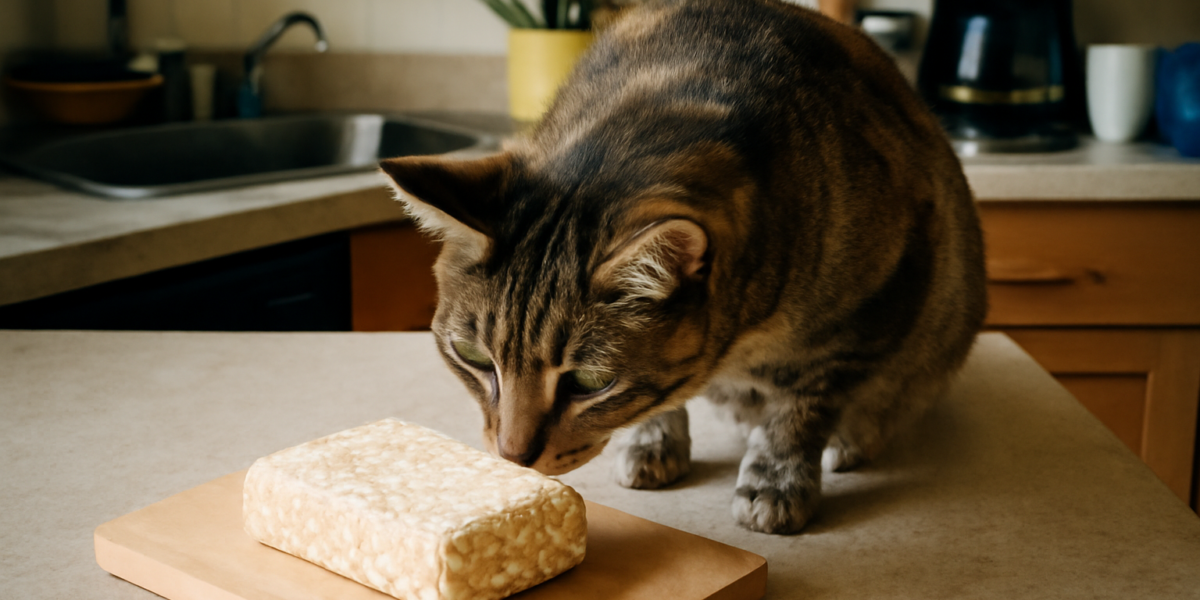
Tempeh, a traditional Indonesian food made from fermented soybeans, has surged in popularity as a plant-based protein source for health-conscious humans. Its firm texture, nutty flavor, and impressive protein content make it a staple in vegetarian and vegan diets worldwide. But when your cat shows interest in the tempeh on your plate, you might wonder whether sharing a bite is safe. Can cats eat tempeh? While a small amount of plain tempeh is unlikely to harm a healthy cat, it’s not an ideal food for felines and shouldn’t become a regular part of their diet.
The fundamental issue is that cats are obligate carnivores — their bodies are designed to derive essential nutrients primarily from animal-based proteins. Plant proteins like those found in tempeh, tofu, and edamame lack certain amino acids and nutrients that cats require, and their digestive systems aren’t optimized for processing large amounts of plant matter. Let’s explore this topic in depth so you can make informed decisions about your cat’s diet.
What Makes Tempeh Different from Other Soy Products
Tempeh is created by fermenting cooked soybeans with a mold culture called Rhizopus oligosporus. The fermentation process binds the soybeans into a firm, sliceable cake and fundamentally changes the nutritional profile compared to unfermented soy products. This distinction matters when evaluating tempeh’s suitability for cats.
Fermentation breaks down phytic acid, an anti-nutrient found in raw soybeans that can inhibit the absorption of minerals like zinc, iron, and calcium. By reducing phytic acid content, tempeh makes its minerals more bioavailable than those in unfermented soy products like tofu or soy milk. Fermentation also partially breaks down the proteins and complex sugars (oligosaccharides) in soybeans, which can make tempeh easier to digest than other soy foods.
From a nutritional standpoint, tempeh is notably protein-rich — one cup contains approximately 31 grams of protein, 18 grams of fat, and 16 grams of carbohydrates. It also provides significant amounts of manganese, copper, phosphorus, magnesium, and B vitamins, particularly riboflavin and niacin. The fermentation process also produces beneficial bacteria (probiotics) that may support gut health.
Despite these positive attributes, tempeh remains a plant-based food, and this is where the disconnect with feline nutrition begins. The protein in tempeh, while abundant, is incomplete from a cat’s perspective. It lacks adequate amounts of taurine — an amino acid that cats cannot synthesize on their own and must obtain from their diet, primarily through animal tissues. Taurine deficiency in cats can lead to serious health problems, including heart disease (dilated cardiomyopathy), vision loss, and reproductive issues.
Why Cats Are Not Suited for Plant-Based Proteins
Understanding why tempeh isn’t ideal for cats requires a brief look at feline biology. Cats evolved as strict carnivores, hunting small prey for millions of years. This evolutionary path shaped their entire metabolism, digestive system, and nutritional requirements in ways that are fundamentally different from omnivores like dogs or humans.
Cats have a shorter digestive tract relative to their body size compared to omnivores, which means food passes through their system more quickly. This shorter transit time is efficient for digesting animal proteins and fats but less effective for breaking down plant fibers and complex carbohydrates. When cats eat plant-based foods like tempeh, they may not extract nutrients as efficiently as they would from meat.
Beyond taurine, cats have unique requirements for several other nutrients that are found primarily or exclusively in animal tissues. Arachidonic acid, an essential fatty acid, must come from animal fat because cats lack the enzymes to synthesize it from plant-based precursors. Preformed vitamin A (retinol) is another necessity — cats cannot convert beta-carotene from plants into active vitamin A the way dogs and humans can. Niacin requirements in cats are also higher than in most other species, and animal tissues provide this B vitamin more reliably.
The amino acid profile of plant proteins, including soy, differs significantly from animal proteins. While soybeans provide many amino acids, the proportions don’t match what cats need. Methionine and cysteine, two sulfur-containing amino acids important for coat health, urinary tract function, and liver metabolism, are present in lower concentrations in plant proteins compared to animal sources. Over time, a diet relying heavily on plant proteins could lead to deficiencies that affect your cat’s health in subtle but significant ways.
None of this means a single bite of tempeh will harm your cat. The concerns arise when plant proteins replace a meaningful portion of animal protein in a cat’s diet over time.
Potential Risks of Feeding Tempeh to Cats
Several specific risks are associated with feeding tempeh to cats beyond the general nutritional mismatch. Soy allergies, while not extremely common, do occur in cats. Soy is actually one of the more frequently reported food allergens in cats, alongside beef, dairy, and fish. Symptoms of a soy allergy can include skin irritation, itching (particularly around the head and neck), gastrointestinal upset, vomiting, diarrhea, and chronic ear infections. If your cat has never eaten soy products before, introducing tempeh carries the risk of triggering an allergic response.
Digestive upset is common when cats eat foods their systems aren’t designed to handle efficiently. The fiber and complex carbohydrates in tempeh can cause gas, bloating, diarrhea, or soft stools in cats. While the fermentation process makes tempeh more digestible than raw soybeans, it’s still a plant-based food that may challenge a cat’s shorter, meat-adapted digestive tract.
Phytoestrogens in soy products, including tempeh, are another consideration. Soy contains isoflavones — plant compounds that mimic estrogen in the body. While the effects of phytoestrogens on cats haven’t been extensively studied, there is theoretical concern that regular consumption could influence hormonal balance. This is particularly relevant for intact (unspayed or unneutered) cats or cats with hormone-sensitive conditions.
Prepared tempeh from restaurants or pre-marinated packages often contains ingredients that are genuinely dangerous for cats. Garlic, onion, soy sauce (extremely high in sodium), chili peppers, and various spices are common in tempeh preparations. Garlic and onion are toxic to cats, capable of causing oxidative damage to red blood cells (Heinz body anemia). Even small amounts consumed regularly can accumulate and cause harm. Always ensure any tempeh offered to a cat is completely plain and unseasoned.
Salt is another concern. Many commercial tempeh products are made with added salt, and cats have a low tolerance for sodium. Excessive salt intake can lead to increased thirst, elevated blood pressure, and in severe cases, sodium ion poisoning. Always check the label and choose unsalted varieties if you plan to offer tempeh to your cat.
If You Choose to Offer Tempeh: Preparation Guidelines
If you decide to give your cat a small taste of tempeh — perhaps as a rare novelty or to satisfy their curiosity — proper preparation minimizes the risks. Start with plain, unflavored tempeh that has no added salt, marinade, or seasonings. Read the ingredient list carefully to ensure nothing harmful is included.
Cook the tempeh thoroughly before offering it to your cat. While some humans enjoy lightly seared or even raw tempeh, cooking it fully makes it softer and easier for your cat to chew and digest. Steaming is the gentlest cooking method — steam thin slices of tempeh for five to eight minutes until heated through and softened. Baking plain slices at 350 degrees Fahrenheit for 15 to 20 minutes is another option.
Cut the cooked tempeh into very small pieces — roughly the size of a kibble piece — to prevent choking. Tempeh has a firm, sometimes crumbly texture that can break into awkward shapes, so pre-cutting it into manageable pieces is important, especially for smaller cats or kittens.
Offer just a tiny piece for the first introduction — about the size of a pea. Monitor your cat for the next 24 to 48 hours for any signs of digestive upset or allergic reaction. If everything goes smoothly, you can offer a slightly larger piece on another occasion, but always keep portions minimal. A few small pieces once a week at most is the absolute maximum — and even that frequency is more than necessary.
Never use tempeh as a meal replacement or a significant supplement to your cat’s diet. It should be treated strictly as an occasional, very small treat — the feline equivalent of a human eating a single gummy bear. The vast majority of your cat’s calories and nutrients should come from a complete and balanced commercial cat food formulated to meet their specific nutritional requirements.
Better Protein Alternatives for Cats
If you’re looking for healthy treat options for your cat, animal-based proteins are always a better choice than plant-based ones. Cooked, plain chicken breast is one of the simplest and most universally enjoyed options. It’s lean, easy to digest, and provides complete protein with all the essential amino acids cats need. Simply boil or bake boneless, skinless chicken without any seasoning, shred or dice it, and offer a small amount as a treat.
Cooked turkey, another lean poultry option, is equally suitable. Like chicken, it should be plain, boneless, and skinless. Avoid deli meats or processed turkey products, which contain excessive salt, nitrates, and potentially harmful additives.
Small amounts of cooked fish — such as salmon, tuna, or whitefish — can make excellent treats. Fish provides omega-3 fatty acids that support skin, coat, and joint health. However, fish should be offered in moderation (no more than once or twice a week) due to concerns about mercury accumulation and the potential for thiaminase (an enzyme found in raw fish) to destroy vitamin B1.
Commercial cat treats formulated by reputable manufacturers are designed to be nutritionally appropriate and safe for cats. Freeze-dried meat treats — made from single-ingredient proteins like chicken, turkey, salmon, or rabbit — offer the convenience of commercial products with the simplicity of whole-food ingredients. These can be excellent high-value treats for training or enrichment.
Cooked egg is another protein-rich treat option. A small amount of scrambled or hard-boiled egg (without salt, butter, or oil) provides complete protein, taurine, and essential fatty acids. Most cats enjoy the taste and texture of cooked egg, making it a practical and affordable treat choice.
When to Consult Your Veterinarian
If your cat ate a small amount of plain tempeh, there’s generally no cause for alarm. Monitor them for digestive symptoms and move on. However, certain situations warrant professional guidance.
Contact your vet if your cat ate tempeh that was prepared with garlic, onion, or excessive salt. Garlic and onion toxicity may not show symptoms immediately — it can take two to five days for anemia to develop. Early signs include lethargy, pale gums, decreased appetite, and reddish-brown urine. Prompt treatment can prevent serious complications.
If your cat develops persistent vomiting, diarrhea lasting more than 24 hours, or signs of an allergic reaction (swelling, difficulty breathing, widespread itching) after eating tempeh, seek veterinary care. These symptoms suggest either a food sensitivity or allergy that needs professional management.
Cats with pre-existing conditions — including kidney disease, hyperthyroidism, diabetes, or inflammatory bowel disease — should have any dietary changes or new foods approved by their veterinarian first. The protein composition, mineral content, and phytoestrogens in tempeh could potentially complicate the management of these conditions.
If you’re considering incorporating plant-based foods into your cat’s diet for ethical or environmental reasons, have an honest conversation with your veterinarian. They can help you understand the nutritional risks and explore alternatives that don’t compromise your cat’s health. Cats’ nutritional needs are non-negotiable — their bodies cannot adapt to a vegetarian or vegan diet the way some omnivorous species can.
Frequently Asked Questions
Can cats eat tempeh every day?
No, cats should not eat tempeh daily. As obligate carnivores, cats need animal-based proteins to meet their essential nutrient requirements, including taurine, arachidonic acid, and preformed vitamin A. Tempeh lacks these critical nutrients and could displace more nutritious foods in your cat’s diet if fed regularly. At most, a tiny piece of plain tempeh once a week is acceptable as a rare treat, but daily consumption is inadvisable.
Is tempeh safer for cats than tofu?
Tempeh is marginally better than tofu for cats because the fermentation process reduces anti-nutrients like phytic acid, making minerals more bioavailable, and partially breaks down proteins for easier digestion. However, neither tempeh nor tofu is an appropriate food for cats in any significant quantity. Both are plant-based proteins that lack essential nutrients cats need from animal sources. If you must choose between them for a tiny occasional treat, tempeh has a slight edge, but neither should be part of a cat’s regular diet.
Will tempeh give my cat diarrhea?
It might. Cats’ digestive systems are optimized for animal proteins and fats, not plant-based foods with fiber and complex carbohydrates. The fiber in tempeh can cause loose stools, gas, or diarrhea, particularly if your cat eats more than a very small amount or if it’s their first time trying soy. If your cat does develop diarrhea after eating tempeh, withhold tempeh in the future and ensure they stay hydrated. If diarrhea persists for more than 24 hours, contact your veterinarian.
Can kittens eat tempeh?
Kittens should not eat tempeh. Their nutritional needs are even more demanding than adult cats, requiring higher concentrations of protein, fat, taurine, and other essential nutrients to support rapid growth and development. Filling a kitten’s tiny stomach with plant-based protein means less room for the animal-based foods they desperately need. Stick to kitten-formulated food and age-appropriate treats for young cats.


