
Last updated: May 4, 2026
In this article
Chinese Evergreen Is Toxic to Dogs: Key Facts for Pet Owners
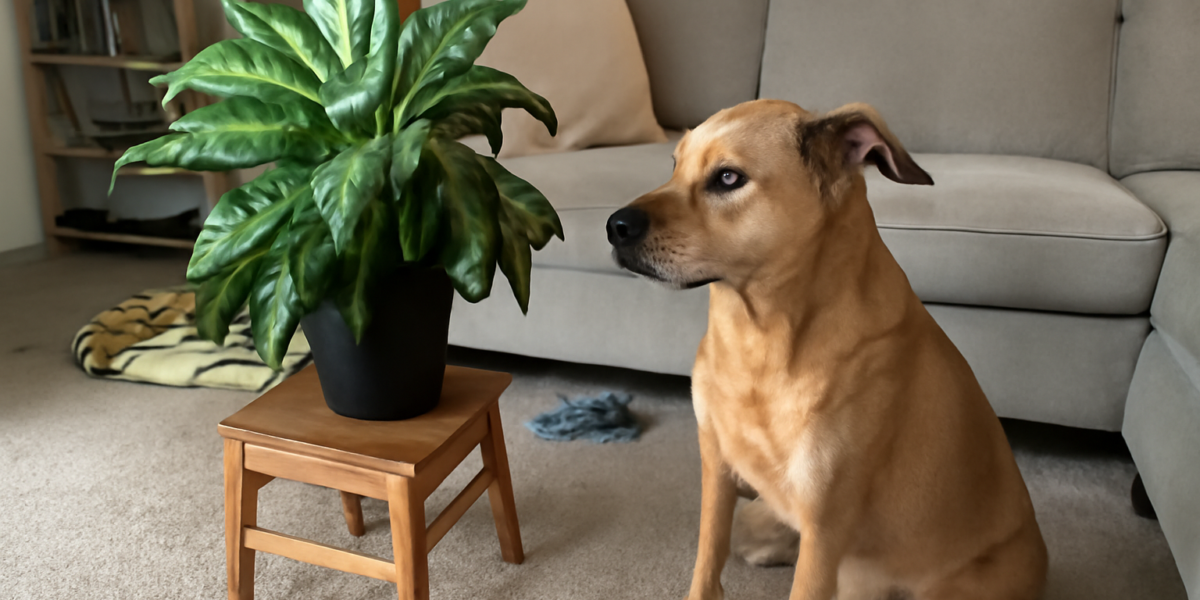
Chinese evergreen (Aglaonema) is toxic to dogs. All varieties of this popular low-light houseplant contain insoluble calcium oxalate crystals that cause immediate oral pain, swelling, and gastrointestinal irritation when a dog chews on any part of the plant. The toxicity level is classified as mild to moderate by the ASPCA.
While chinese evergreen poisoning is rarely life-threatening, the symptoms are painful and distressing for your dog. Significant swelling of the mouth and throat can, in uncommon cases, interfere with breathing and swallowing. Any dog that has chewed on a chinese evergreen plant should be monitored closely, and a call to your veterinarian is always warranted.
Aglaonema plants are beloved for their ability to thrive in low light and their striking variegated leaves in shades of green, silver, pink, and red. Their low maintenance requirements make them fixtures in homes, offices, and lobbies — environments where dogs may encounter them during daily life.
The Toxic Mechanism: Calcium Oxalate Crystals
The toxic compounds in chinese evergreen plants are insoluble calcium oxalate crystals, specifically microscopic needle-shaped structures called raphides. These crystals are stored in specialized plant cells (idioblasts) throughout the leaves, stems, and roots of every Aglaonema species.
When a dog bites into the plant, the mechanical pressure ruptures the idioblast cells and ejects the raphides with force into the soft tissues of the mouth, tongue, gums, and throat. These crystals physically penetrate the mucous membranes, creating microscopic wounds that trigger immediate pain and a strong inflammatory response.
The plant also contains proteolytic enzymes that amplify the tissue damage caused by the crystals. Together, the physical penetration of the raphides and the enzymatic irritation produce the characteristic rapid-onset oral pain that usually causes dogs to stop chewing quickly.
This same calcium oxalate mechanism is shared by many common houseplants in the Araceae family, including pothos, philodendron, dieffenbachia, and peace lilies. If your home contains multiple plants from this family, all should be evaluated for pet accessibility.
Symptoms of Chinese Evergreen Poisoning in Dogs
Symptoms appear almost immediately — usually within seconds to minutes of chewing. The rapid onset of pain is actually somewhat protective because it discourages dogs from eating large quantities.
Oral and Facial Symptoms
- Immediate pawing at the mouth and face
- Profuse drooling and hypersalivation
- Visible redness and swelling of the lips, tongue, and gums
- Whimpering or vocalizing from pain
- Difficulty swallowing
- Head shaking
Gastrointestinal Symptoms
- Vomiting, which may contain plant fragments
- Nausea and reduced appetite
- Diarrhea in some cases
Symptoms Requiring Emergency Attention
- Significant swelling of the tongue or throat affecting breathing
- Labored, noisy, or open-mouth breathing
- Inability to swallow water
- Swelling that continues to worsen over several hours
Most dogs experience symptoms that fall in the mild to moderate range — oral discomfort, drooling, and possible vomiting — that resolve within 12 to 24 hours. Severe airway compromise is uncommon but possible, particularly in small breeds and brachycephalic dogs (bulldogs, pugs, Boston terriers) whose airways are already narrower.
First Aid for Chinese Evergreen Ingestion in Dogs
Quick, calm action helps minimize your dog’s discomfort and sets the stage for proper treatment.
- Separate your dog from the plant. Remove your dog from the area and move the plant out of reach. Check the mouth for visible plant material and gently remove any pieces if your dog will allow it.
- Offer a soothing rinse. Give your dog small amounts of cool water, milk, or plain yogurt to help flush calcium oxalate crystals from the mouth and soothe irritated tissue. Dairy products may help coat and calm inflamed mucous membranes.
- Do not induce vomiting. With calcium oxalate ingestion, inducing vomiting causes the crystals to re-damage the esophagus and mouth on the way up. If your dog vomits spontaneously, that is a natural response — but do not provoke it.
- Monitor breathing closely. Watch for any changes in your dog’s breathing pattern. If you notice wheezing, increased effort, or open-mouth breathing, seek emergency veterinary care immediately.
- Contact your veterinarian. Call your vet to report the exposure. Describe the plant, how much was eaten (if known), and the symptoms you observe. Your vet will advise whether an in-clinic visit is needed or if home monitoring is appropriate.
Keep the plant (or a photo of it) available for identification. Many Aglaonema varieties look similar to other houseplants, and confirming the species helps your vet determine the appropriate level of concern. For another common houseplant risk, see our article on peace lily toxicity in dogs.
Veterinary Treatment and Recovery
Treatment for chinese evergreen toxicity in dogs is supportive, focusing on pain relief, reducing inflammation, and preventing secondary complications.
Pain management: Your vet may administer analgesics to address the oral pain, which can be significant in the first several hours. Non-steroidal anti-inflammatory drugs (NSAIDs) or other pain medications appropriate for dogs help manage discomfort.
Anti-inflammatory medication: If swelling is pronounced, anti-inflammatory drugs reduce the tissue response and help prevent further progression. In rare cases involving significant throat swelling, corticosteroids may be used for their rapid anti-inflammatory effect.
Gastroprotectants: Sucralfate, a mucosal protectant, may be prescribed to coat and protect irritated tissue in the mouth, esophagus, and stomach. It forms a protective barrier over the damaged areas, promoting healing.
Fluid therapy: Dogs who cannot eat or drink comfortably may need subcutaneous or intravenous fluids to prevent dehydration while oral swelling resolves.
Recovery timeline: Most dogs recover fully within 24 to 48 hours. Mild cases may resolve in as little as a few hours once the initial pain and swelling subside. Your vet may recommend soft food for a day or two to reduce discomfort while the mouth heals.
Preventing Chinese Evergreen Exposure
Because chinese evergreen plants are so common in homes, understanding practical prevention strategies is valuable for every dog owner.
- Elevate or relocate plants. Place Aglaonema plants on high shelves, in hanging planters, or in rooms your dog cannot access. Remember that fallen leaves from elevated plants still pose a risk — clean up dropped foliage promptly.
- Use physical barriers. Plant stands with protective ledges, enclosed plant cabinets, or baby gates around plant areas can keep curious dogs at a safe distance.
- Choose dog-safe houseplants. Spider plants, Boston ferns, African violets, calathea, prayer plants, and peperomia are all non-toxic to dogs and make attractive alternatives. Our guide on Boston ferns and dogs confirms their safety.
- Supervise new dogs. Newly adopted or young dogs who are still exploring their environment are most likely to chew on houseplants. Supervise closely during the settling-in period and redirect chewing behavior to appropriate toys.
- Apply bitter deterrent sprays. Non-toxic bitter sprays applied to pot rims and lower leaves can discourage investigation, though they are not foolproof.
If you are adopting a dog, doing a houseplant audit before bringing your new companion home is one of the simplest ways to prevent a toxicity scare.
Frequently Asked Questions
Are all Aglaonema varieties equally toxic to dogs?
All Aglaonema species and cultivars contain calcium oxalate crystals and are toxic to dogs. Popular varieties including Silver Bay, Maria, Red Valentine, and Emerald Beauty all carry the same risk. There is no safe variety of chinese evergreen for dogs to chew on.
My dog licked a chinese evergreen leaf. Is that dangerous?
A brief lick of an intact leaf surface is unlikely to cause significant problems because the calcium oxalate crystals are contained within the plant cells and are only released when the tissue is crushed or broken. If no chewing occurred and no symptoms develop within an hour, your dog is likely fine. However, if drooling or pawing at the mouth begins, call your vet.
Can chinese evergreen kill a dog?
Fatal outcomes from chinese evergreen ingestion are extremely rare. The main theoretical risk would be severe airway obstruction from throat swelling, which is an uncommon complication. With prompt veterinary care, the prognosis is excellent. The intense oral pain usually limits how much a dog eats, keeping most exposures in the mild range.
How is chinese evergreen toxicity different from dieffenbachia toxicity?
Both plants belong to the Araceae family and share the calcium oxalate crystal mechanism. Dieffenbachia (dumb cane) tends to cause more severe swelling because it contains higher concentrations of both raphides and irritant enzymes. Chinese evergreen toxicity is generally considered slightly milder, though both warrant the same first aid approach and veterinary attention.
Should I remove all chinese evergreen plants from my home if I have a dog?
It depends on your individual dog’s behavior. If your dog has never shown interest in houseplants and the plants are in locations your dog cannot easily reach, keeping them with appropriate precautions may be reasonable. If your dog is a known chewer, especially a puppy or young dog, removing the plants entirely is the safest option.


