
Last updated: April 10, 2026
In this article
Can Cats Eat Almond Milk Yogurt? The Short Answer
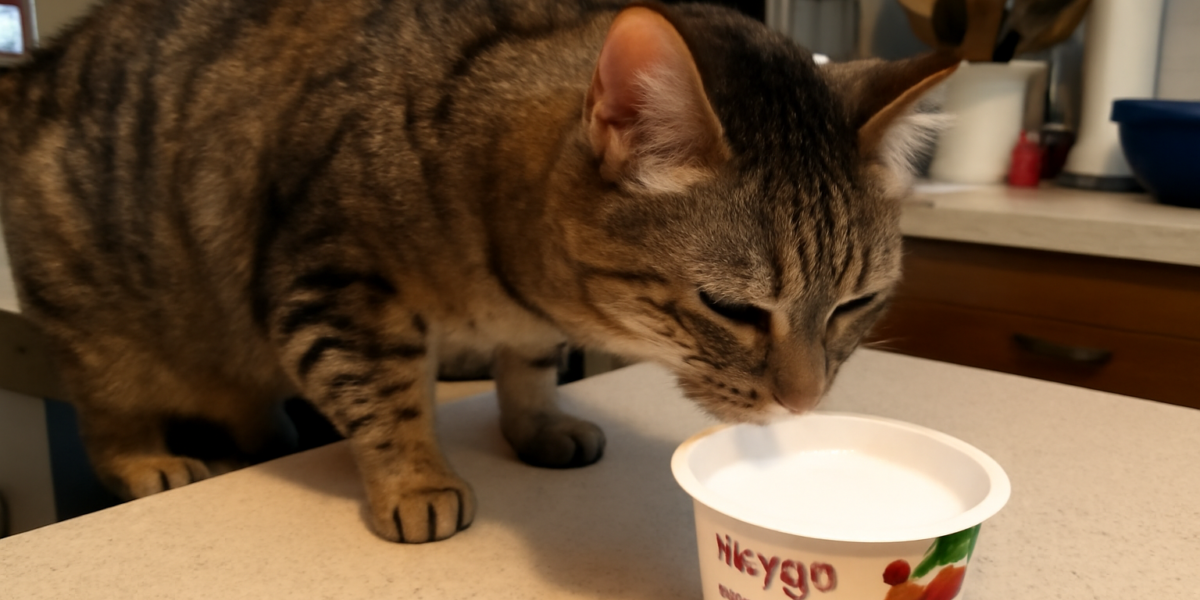
Almond milk yogurt is not toxic to cats, but it should only be offered in very small amounts as an occasional treat. While it sidesteps the lactose issue that makes regular dairy problematic for most adult cats, almond milk yogurt introduces other concerns that cat owners need to understand before sharing a spoonful.
Most adult cats are lactose intolerant, so you might think a dairy-free yogurt is the perfect workaround. The reality is more nuanced. Almond milk yogurt often contains added sugars, artificial sweeteners, thickeners, and flavorings that are unnecessary and sometimes harmful for cats. A plain, unsweetened variety with minimal ingredients is the only type worth considering.
If you want to offer your cat almond milk yogurt, keep it to about half a teaspoon once or twice a week at most. Your cat does not need this food, and it provides very little nutritional value for an obligate carnivore.
Why Cats and Dairy Don’t Mix
Kittens produce lactase, the enzyme needed to digest their mother’s milk. As they wean, most cats gradually lose this ability. By adulthood, roughly 65 to 70 percent of cats are lactose intolerant to some degree. Feeding these cats regular dairy yogurt or milk can cause bloating, gas, diarrhea, and stomach cramps.
This biological reality has led many cat owners to explore dairy-free alternatives. Almond milk yogurt, coconut milk yogurt, and oat milk yogurt have all gained popularity among health-conscious pet parents. However, just because a product is dairy-free does not automatically make it safe or beneficial for your cat.
Cats are obligate carnivores. Their digestive systems are optimized for animal protein, not plant-based foods. While a tiny taste of almond milk yogurt will not harm a healthy cat, it should never replace any portion of a nutritionally complete cat diet.
Nutritional Breakdown of Almond Milk Yogurt for Cats
Almond milk yogurt is made from ground almonds blended with water, then cultured with live bacteria. A typical serving contains far less protein than dairy yogurt and substantially less than the animal proteins your cat needs. Most brands add sugar, tapioca starch, locust bean gum, or pectin to improve texture.
Here is what a standard almond milk yogurt offers and how it relates to your cat’s needs:
- Protein: About 1 gram per serving compared to 5 to 6 grams in Greek yogurt. Cats need 25 to 35 percent of their calories from protein, and plant protein is poorly utilized by feline digestive systems.
- Fat: Around 3 to 5 grams per serving, primarily from almonds. Cats can digest fat well, but plant-based fats lack the arachidonic acid that cats require.
- Carbohydrates: Typically 10 to 18 grams per serving, mostly from added sugars and starches. Cats have minimal carbohydrate requirements and lack the salivary amylase enzyme to begin starch digestion in the mouth.
- Probiotics: Live cultures like Lactobacillus and Streptococcus thermophilus are present in many brands. These may offer mild digestive benefits, though research on probiotic yogurt for cats is limited.
The bottom line is that almond milk yogurt is essentially empty calories for your cat. It fills space in the stomach without delivering the amino acids, taurine, or animal-sourced nutrients that cats need to thrive.
Ingredients to Watch Out For
Before offering any almond milk yogurt to your cat, read the ingredient list carefully. Several common additives are problematic for felines.
Xylitol and Artificial Sweeteners
Xylitol is extremely toxic to dogs and potentially harmful to cats as well. While xylitol toxicity in cats is less documented than in dogs, it is best to avoid any product containing this sweetener entirely. Some sugar-free almond milk yogurts use xylitol or erythritol as sweetening agents. Always check the label.
Added Sugars
Many flavored almond milk yogurts contain 12 to 20 grams of added sugar per serving. Cats cannot taste sweetness, so the sugar provides zero enjoyment while potentially contributing to obesity and dental problems. Stick to plain, unsweetened varieties only.
Chocolate and Coffee Flavors
Chocolate-flavored almond milk yogurt contains theobromine and caffeine, both toxic to cats. Coffee-flavored varieties pose the same risk. Never give your cat any flavored yogurt without confirming every ingredient is safe.
Thickeners and Gums
Carrageenan, guar gum, and locust bean gum are common in plant-based yogurts. While generally recognized as safe in small amounts, some cats experience gastrointestinal irritation from these additives. If your cat shows digestive upset after eating almond milk yogurt, thickeners may be the culprit.
Safe Serving Guidelines
If you decide to share a small amount of almond milk yogurt with your cat, follow these guidelines to minimize any risks.
Start with a quarter teaspoon and observe your cat for 24 hours. Watch for vomiting, diarrhea, or changes in appetite. If your cat tolerates it well, you can offer up to half a teaspoon as an occasional treat, no more than twice per week.
Choose only plain, unsweetened almond milk yogurt with the shortest ingredient list you can find. The ideal product contains just almond milk and live cultures. Avoid anything with added sugar, natural flavors, or artificial sweeteners.
Never use almond milk yogurt to replace meals or as a significant portion of your cat’s diet. Treats of any kind, including human foods, should make up no more than 10 percent of your cat’s daily caloric intake. For an average 10-pound cat eating about 200 calories per day, that means roughly 20 calories from treats total.
Better Alternatives for Cats
If your cat enjoys creamy textures, there are several options that offer actual nutritional value alongside the enjoyment.
- Plain goat’s milk kefir: Lower in lactose than cow’s milk and rich in probiotics. Many cats tolerate small amounts well. Offer one to two teaspoons at a time.
- Bone broth: Unseasoned, onion-free bone broth provides hydration and amino acids. Freeze small portions in ice cube trays for easy serving.
- Meat-based puree treats: Commercial cat treats like lickable purees are formulated for feline nutrition and come in convenient single-serve tubes.
- Cooked egg yolk: A small amount of cooked egg yolk offers protein and fat in a creamy texture that many cats enjoy.
These alternatives give your cat the creamy treat experience while actually contributing to their nutritional needs. If you are looking for more ideas about safe foods for your cat, check out our guide on elk meat for cats or learn whether duck liver is safe for cats.
When to Call the Vet
Most cats that eat a small amount of plain almond milk yogurt will be perfectly fine. However, contact your veterinarian if you notice any of the following symptoms after your cat consumes almond milk yogurt:
- Vomiting that persists beyond one episode
- Diarrhea lasting more than 24 hours
- Lethargy or loss of appetite
- Swelling of the face or difficulty breathing, which could indicate an allergic reaction
- Excessive drooling or pawing at the mouth
Allergic reactions to almonds are rare in cats but not impossible. If your cat has never eaten any almond-based product before, introduce it in the smallest possible amount and monitor closely. Cats with existing digestive conditions, pancreatitis, or kidney disease should avoid almond milk yogurt entirely unless your veterinarian specifically approves it.
For more cat food safety information, explore whether cats can eat kelp or read about tapioca safety for cats.
Frequently Asked Questions
Is almond milk yogurt better than regular yogurt for cats?
Not necessarily. While it avoids the lactose issue, almond milk yogurt has less protein and often more added sugars than plain dairy yogurt. A lactose-intolerant cat may tolerate it better, but neither type is nutritionally necessary for cats. If you choose to offer yogurt, plain unsweetened versions of either type in tiny amounts are acceptable.
Can kittens eat almond milk yogurt?
Kittens should not eat almond milk yogurt. Their digestive systems are still developing, and they need every calorie to come from nutritionally dense, species-appropriate food. Kittens should eat only kitten-formulated food and their mother’s milk or a veterinary-approved milk replacer.
How much almond milk yogurt is too much for a cat?
More than half a teaspoon at a time is unnecessary, and offering it more than twice a week is excessive. Cats that eat larger amounts may experience digestive upset from the plant-based fats, thickeners, and carbohydrates. Always follow the 10 percent treat rule for total daily calories.
Does almond milk yogurt provide probiotics for cats?
Brands with live active cultures do contain probiotics, but the strains and concentrations are formulated for human digestion. Cat-specific probiotic supplements recommended by your veterinarian are a far more effective way to support your cat’s gut health.
Can cats be allergic to almonds?
Tree nut allergies are uncommon in cats, but individual sensitivities exist. Signs of an allergic reaction include facial swelling, hives, vomiting, or difficulty breathing. If you suspect an allergic reaction, stop offering the food and consult your veterinarian immediately. Browse our cat adoption hub for more resources on caring for your feline companion.


