
Last updated: April 9, 2026
In this article
Can Cats Eat Falafel? Safety Guide and Tips
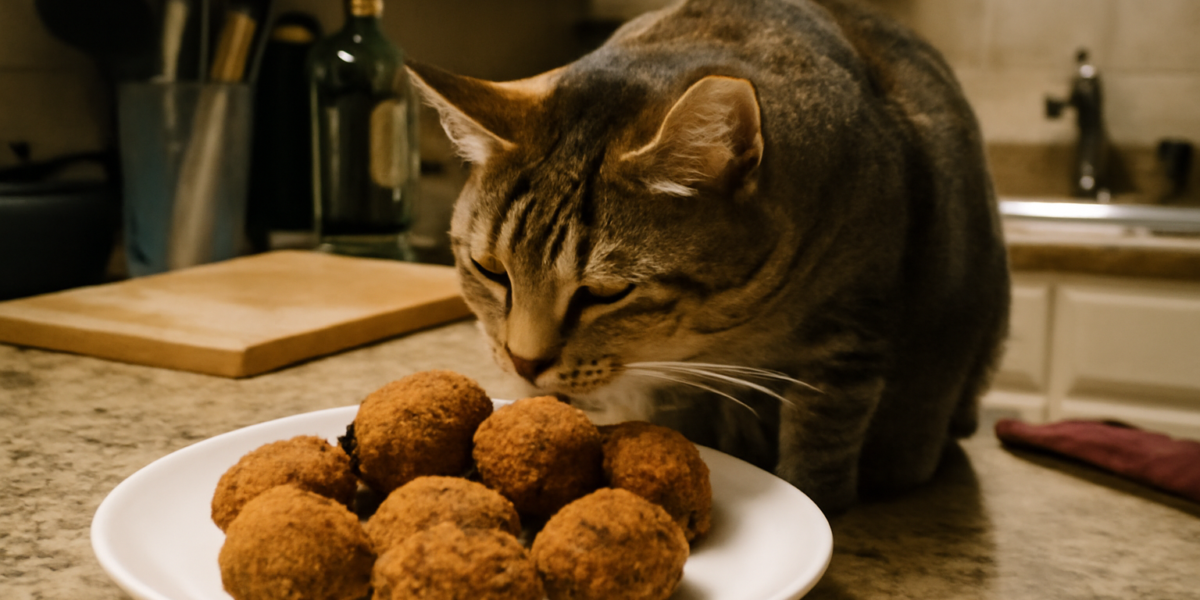
Falafel is a beloved staple of Middle Eastern cuisine — crispy on the outside, tender and herbaceous on the inside. If you are enjoying a plate of freshly fried falafel and your cat starts sniffing around with interest, you might be tempted to share a bite. After all, falafel is made primarily from chickpeas and herbs, which sound wholesome enough. But is it actually safe for your feline friend?
The answer requires a closer look at what goes into falafel and how those ingredients interact with a cat’s unique physiology. Cats are obligate carnivores, meaning their bodies are built to process animal protein and fat. They lack many of the digestive enzymes needed to efficiently break down plant-based foods, and more critically, some of the most common falafel ingredients are outright dangerous for cats.
Quick Answer: Can Cats Eat Falafel?
No, cats should not eat falafel. This is one human food where the answer is unambiguous. Traditional falafel recipes almost always include garlic and onion, both of which belong to the Allium family and are toxic to cats. Even small amounts of garlic and onion can damage a cat’s red blood cells and lead to a condition called hemolytic anemia.
Beyond the toxicity concern, falafel is deep-fried, which means it is loaded with oil and fat. The chickpea base is high in carbohydrates and plant-based protein that cats cannot efficiently digest or utilize. The combination of toxic seasonings, heavy oil, and indigestible plant matter makes falafel a genuinely risky food for your cat.
If your cat has already consumed a piece of falafel, the most important step is to determine whether the recipe contained garlic or onion. If it did, contact your veterinarian immediately. Even if symptoms do not appear right away, the damage to red blood cells from Allium exposure can develop over the next few days. Do not wait for symptoms to appear before seeking professional advice.
Nutritional Profile of Falafel
A standard falafel ball (approximately 17 grams, or about the size of a golf ball) contains the following:
- Calories: 57 kcal per ball — while this seems modest, two or three balls can represent a significant caloric load for a cat
- Fat: 3 grams, mostly from deep-frying oil
- Carbohydrates: 5 grams, primarily from chickpeas
- Protein: 2.3 grams — plant-based and lacking essential amino acids cats need, such as taurine
- Fiber: 1 gram from chickpeas and herbs
- Sodium: 58 milligrams per ball, which adds up quickly
- Iron: 0.6 milligrams
The typical falafel recipe includes chickpeas (or fava beans), fresh parsley, cilantro, cumin, coriander, garlic, onion, salt, and baking powder. The garlic and onion are the most dangerous components. Even dried garlic or onion powder — which is sometimes used in commercial falafel mixes — is toxic to cats. In fact, powdered forms of garlic and onion are more concentrated and therefore potentially more dangerous than their fresh counterparts.
Cats require taurine, an amino acid found exclusively in animal tissue, as well as arachidonic acid and preformed vitamin A. None of these essential nutrients are present in falafel. The plant protein in chickpeas lacks the complete amino acid profile that cats need, making falafel nutritionally worthless for your cat even if it were free of toxic ingredients.
Benefits and Risks of Falafel for Cats
Benefits
- Plant protein content: Chickpeas provide some protein, though it is plant-based and not well utilized by cats
- Iron content: Falafel contains small amounts of iron, though cats absorb iron far more efficiently from animal sources
- Fiber: The chickpea and herb content provides fiber, which in very tiny amounts could theoretically support digestive motility
- No inherent toxins in chickpeas alone: Plain cooked chickpeas without any seasoning are not toxic to cats, though they are not recommended either
Risks
- Garlic and onion toxicity: These Allium family ingredients are toxic to cats and can cause oxidative damage to red blood cells, leading to hemolytic anemia — this is the most serious risk and cannot be overstated
- Deep-frying oil: The high fat content from frying can trigger pancreatitis, a painful and potentially life-threatening inflammatory condition
- Digestive upset: Chickpeas are difficult for cats to digest, causing gas, bloating, diarrhea, and abdominal discomfort
- Spice irritation: Cumin, coriander, and other spices can irritate a cat’s sensitive gastrointestinal lining
- Choking hazard: The dense, sometimes crumbly texture of falafel can break into pieces that may cause choking in cats
- Sodium overload: Cats have much lower sodium tolerance than humans, and the salt in falafel can contribute to dehydration and kidney strain
How to Serve Falafel Safely to Your Cat
The straightforward answer is that you should not serve falafel to your cat under any circumstances. The presence of garlic and onion in virtually all falafel recipes makes this a food with genuine toxicity concerns, not merely a nutritional mismatch.
Even if you were to make a special batch of falafel without garlic or onion, the result would still be a fried chickpea product that offers nothing your cat needs and plenty of things that could cause digestive distress. The oil, salt, and indigestible plant matter are all problematic.
If your cat has managed to steal a piece of falafel from your plate, note the time and amount consumed, and check the recipe for garlic and onion content. If Allium ingredients were used, call your veterinarian immediately. If you are unsure about the ingredients — as is often the case with restaurant or store-bought falafel — err on the side of caution and assume garlic and onion were included.
Keep falafel plates and containers out of your cat’s reach. Cats can be surprisingly resourceful when food smells enticing, and it is better to prevent access than to deal with the consequences after the fact.
Signs of Problems After Eating Falafel
The symptoms your cat may experience after eating falafel depend largely on whether the falafel contained garlic or onion and how much was consumed.
Digestive symptoms (within hours): Vomiting, diarrhea, nausea, drooling, and loss of appetite. These may be caused by the oil, spices, or chickpeas irritating the digestive tract. Mild digestive symptoms from a tiny amount may resolve on their own within 24 hours.
Allium toxicity symptoms (12 to 72 hours): If garlic or onion was present, watch for pale or yellowish gums, weakness, lethargy, rapid breathing, elevated heart rate, dark or reddish-brown urine, and collapse. These are signs of hemolytic anemia, where the cat’s red blood cells are being destroyed. This condition can be fatal without treatment and may not become apparent until one to several days after ingestion.
Pancreatitis symptoms (24 to 72 hours): Severe abdominal pain, hunched posture, persistent vomiting, fever, and reluctance to eat or move. The high fat content from frying can trigger this painful inflammatory condition that requires veterinary intervention.
If you notice any symptoms beyond mild, brief digestive upset, seek veterinary care without delay. When visiting the vet, bring information about the type and amount of falafel consumed, along with the ingredient list if available.
Healthy Alternatives to Falafel
If your cat is eyeing your falafel plate, redirect their attention to one of these safe, cat-appropriate alternatives:
- Cooked plain chicken: Shredded or diced chicken breast without any seasoning is a protein-packed treat your cat will love
- Plain cooked turkey: Another lean meat option that satisfies carnivorous cravings safely
- Small pieces of cooked fish: A tiny portion of salmon, cod, or tilapia provides protein and omega-3 fatty acids
- Commercial cat treats: Veterinary-approved treats designed specifically for cats are the easiest safe option
- Cooked egg: A small amount of plain scrambled egg is digestible and protein-rich for cats
- Freeze-dried raw meat treats: Single-ingredient meat treats mimic a cat’s natural diet and are free from harmful additives
Want to share your meals with a grateful feline companion? Visit our adoption page to find a cat who would love to keep you company at the dinner table.
Frequently Asked Questions
Is garlic in falafel really dangerous for cats?
Yes, garlic is one of the most toxic common foods for cats. It is approximately five times more potent than onion in terms of its toxic effect on feline red blood cells. Garlic contains compounds called thiosulfates that cause oxidative damage to hemoglobin, leading to the destruction of red blood cells. Even small amounts can cause problems, and the effects are cumulative, meaning repeated small exposures can be just as dangerous as a single large one.
My cat ate a small piece of falafel — should I go to the emergency vet?
If the falafel contained garlic or onion, contact your veterinarian or an emergency animal poison hotline right away. While a very small piece may not cause severe toxicity, it is impossible to know the exact concentration of Allium ingredients without laboratory analysis. Your vet may recommend monitoring at home or bringing your cat in for a blood test, depending on the amount consumed and your cat’s size and health status.
Can cats eat plain chickpeas without the falafel seasonings?
Plain cooked chickpeas are not toxic to cats, but they are not recommended as a regular treat. Cats lack the digestive enzymes to efficiently process legumes, and chickpeas may cause gas, bloating, and digestive discomfort. The plant protein in chickpeas is also nutritionally incomplete for cats. If your cat happens to eat a single chickpea, it is unlikely to cause harm, but there is no reason to offer chickpeas intentionally.
How much garlic is toxic to a cat?
Research suggests that as little as one clove of garlic can be toxic to cats, and some studies indicate that even smaller amounts may cause subclinical damage to red blood cells. Garlic powder is even more concentrated and dangerous. The toxic dose varies based on the cat’s size, overall health, and individual sensitivity, but there is no established “safe” amount of garlic for cats. The only safe amount is zero.
What about baked falafel — is it safer than fried?
Baked falafel eliminates the concern about excess frying oil, but the fundamental problems remain. The garlic and onion toxicity risk is identical whether the falafel is fried or baked. The chickpea base is still indigestible for cats, and the spices can still cause gastrointestinal irritation. Baked falafel is marginally less fatty, but it is still not safe for cats.
Can cats eat tahini or hummus that comes with falafel?
Tahini (sesame paste) in very small amounts is not toxic to cats, but it is high in fat and offers no nutritional benefit. Hummus, however, typically contains garlic and lemon juice, making it potentially toxic and irritating to cats. The accompaniments that typically come with falafel — including pickled vegetables, hot sauce, and pita bread — are all inappropriate for cats as well.
Every cat deserves to be safe and well-fed with appropriate nutrition. If you are looking to welcome a feline companion into your home, please visit our adoption page to meet wonderful rescue cats who are waiting for their forever families.


