
Last updated: April 10, 2026
In this article
Is Monstera Toxic to Cats? Everything Cat Owners Must Know
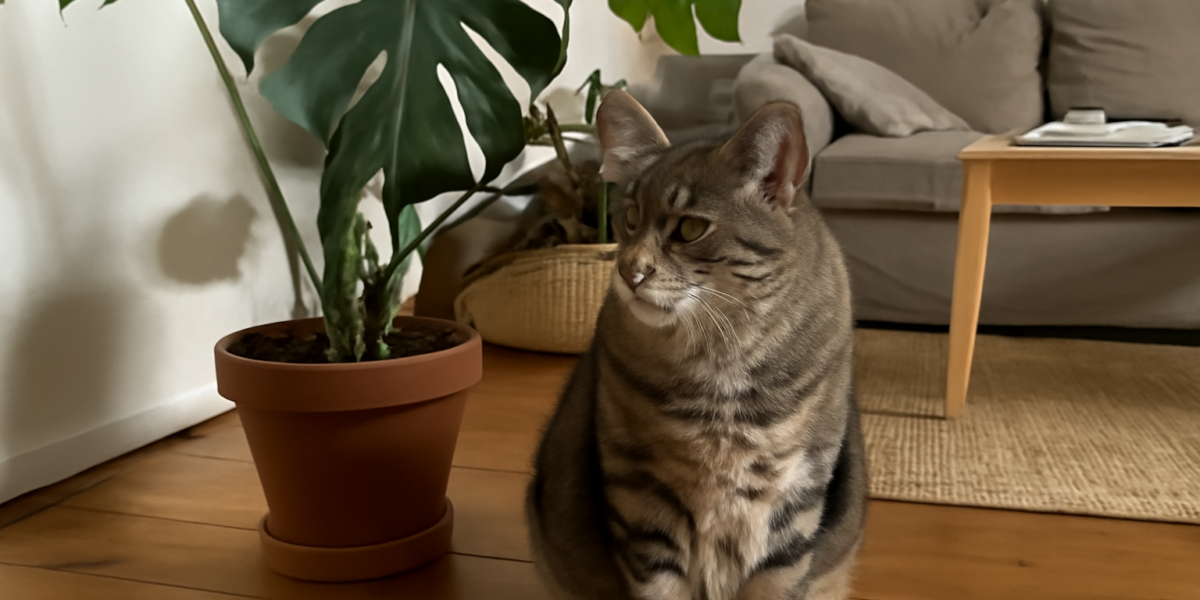
Quick Answer: Yes, monstera is toxic to cats. All parts of the monstera plant contain insoluble calcium oxalate crystals (raphides) that cause painful irritation to the mouth, throat, and digestive tract. If your cat has bitten into or ingested monstera, contact your veterinarian for guidance.
The monstera — especially the iconic Monstera deliciosa, also known as the Swiss cheese plant — has become one of the most popular houseplants of the past decade. Its large, dramatically fenestrated leaves are a staple of modern interior design, and its low-maintenance nature makes it appealing to plant enthusiasts of all experience levels. But for households with cats, this trendy plant carries a genuine health risk. Monstera belongs to the Araceae family, a plant group well known for containing calcium oxalate crystals that are harmful to cats and other pets. This guide covers everything you need to know about monstera toxicity, from the science behind the danger to practical prevention strategies.
Why Is Monstera Toxic to Cats?
Monstera plants contain insoluble calcium oxalate crystals, specifically in the form of needle-shaped structures called raphides. These microscopic crystals are bundled inside specialized cells (idioblasts) found in the leaves, stems, petioles, and roots of the plant. When a cat bites into or chews on any part of a monstera, the physical pressure ruptures the idioblast cells and ejects the raphide bundles with surprising force — a mechanism that functions as the plant’s natural defense against herbivores.
Once released, the needle-like crystals penetrate the soft tissue of the cat’s mouth, tongue, gums, and throat. This causes immediate, intense irritation and micro-injuries to the mucous membranes. The pain is sharp and burning, which is why most cats drop the plant quickly after the first bite. However, even brief chewing can release enough raphides to cause significant discomfort and inflammation.
Unlike soluble calcium oxalates (found in plants like begonias and rhubarb), the insoluble oxalates in monstera are not typically absorbed into the bloodstream in quantities large enough to cause systemic toxicity or kidney damage. The primary danger is localized: intense oral and gastrointestinal irritation that can lead to swelling, difficulty breathing if the throat becomes significantly inflamed, and secondary complications from prolonged vomiting or refusal to eat. The ASPCA lists Monstera deliciosa and other Monstera species as toxic to cats.
All monstera varieties carry the same risk, including Monstera deliciosa, Monstera adansonii (the smaller Swiss cheese vine), Monstera obliqua, and Monstera pinnatipartita. Related aroids such as pothos, philodendrons, and dieffenbachia contain the same type of calcium oxalate crystals and pose similar dangers.
Symptoms of Monstera Poisoning in Cats
Symptoms of monstera toxicity in cats typically begin immediately or within minutes of the cat biting into the plant. The rapid onset is caused by the physical action of the raphide crystals rather than a chemical process that requires absorption and metabolism.
- Pawing at the mouth and face — one of the most distinctive early signs, caused by the sharp, burning pain from embedded raphides
- Excessive drooling — profuse salivation is the body’s response to the irritation and an attempt to flush the crystals from the oral cavity
- Visible swelling of the mouth, tongue, and lips — inflammation can develop rapidly, and the tongue may appear red and puffy
- Difficulty swallowing — if crystals reach the throat, swallowing becomes painful and the cat may gag or make exaggerated swallowing motions
- Vomiting — triggered by irritation of the esophagus and stomach lining
- Loss of appetite — oral pain makes eating unappealing, and this may persist for 12 to 48 hours
- Hoarse vocalization — inflammation of the throat can temporarily affect the cat’s voice
- Difficulty breathing — in rare cases where severe swelling affects the airway, this constitutes a medical emergency
Most monstera exposures in cats result in mild to moderate oral irritation that resolves within a few hours to a day. The intense pain typically prevents cats from consuming large quantities, which limits the severity of most cases. However, any sign of breathing difficulty, severe facial swelling, or persistent vomiting warrants immediate emergency veterinary care.
What to Do If Your Cat Eats Monstera
The good news is that monstera toxicity is usually self-limiting due to the immediate pain response. However, proper action can speed recovery and prevent complications.
- Remove your cat from the plant. Take the monstera out of reach and check the plant for bite marks to estimate how much was consumed. Collect any chewed pieces for reference.
- Gently rinse your cat’s mouth. Using a syringe or small cup, carefully flush the mouth with cool water to help dislodge and remove calcium oxalate crystals. Do not force water into the mouth if your cat is actively vomiting or struggling to breathe.
- Offer cool water or a small amount of milk or yogurt. Dairy products can help bind calcium oxalate crystals and soothe irritated tissues. However, many cats are lactose-intolerant, so offer only a small amount and watch for digestive upset.
- Call your veterinarian. Describe the exposure, including the plant species, the part consumed, the estimated amount, and any symptoms. Your vet will advise whether an office visit is necessary or whether home monitoring is sufficient.
- Monitor for breathing difficulties. If your cat develops labored breathing, open-mouth breathing, or audible wheezing, this is an emergency. Transport to a veterinary hospital immediately.
- Track symptoms. Note when symptoms started, whether they are improving or worsening, and whether your cat is able to eat and drink. This information helps your vet make treatment decisions.
Do not induce vomiting unless directed by a veterinarian. With calcium oxalate ingestion, vomiting can cause the crystals to re-injure the esophagus on the way back up. For more cat safety information, visit our cat care section.
Veterinary Treatment for Monstera Poisoning
Treatment for monstera poisoning in cats focuses on managing pain, reducing inflammation, and supporting the cat through recovery. Because the toxicity is primarily mechanical (crystal-induced tissue damage) rather than systemic chemical poisoning, the treatment approach differs from that used for plants containing absorbed toxins.
Pain management is the first priority. The veterinarian may administer analgesic medications to reduce oral and throat pain, making it easier for the cat to eat and drink. Anti-inflammatory medications, either oral or injectable, are commonly used to reduce swelling in the mouth and throat. If swelling is severe enough to compromise the airway, corticosteroids may be given to rapidly decrease inflammation.
Antiemetic medications such as maropitant (Cerenia) may be prescribed if vomiting is persistent. Gastroprotectants like sucralfate can coat and soothe the irritated lining of the esophagus and stomach. If the cat is refusing food and water due to oral pain, subcutaneous or intravenous fluids may be given to prevent dehydration.
In most cases, cats recover fully from monstera exposure within 24 to 48 hours. Mild cases often resolve on their own with just supportive home care. More significant exposures may require one to two days of veterinary monitoring and medication. Life-threatening airway compromise from monstera ingestion alone is rare but has been documented, which is why veterinary consultation is always recommended even for seemingly mild cases.
How to Keep Cats Safe from Monstera
Cats are naturally attracted to large-leaved houseplants. The dangling leaves of monstera are particularly tempting to playful or bored cats, making prevention an active rather than passive effort.
- Place monstera plants in rooms your cat cannot access. A dedicated plant room with a closed door is the most reliable solution. If that is not possible, position the plant on a high shelf or hanging planter that your cat truly cannot reach — remembering that cats are exceptional jumpers and climbers.
- Use physical barriers. Surround the pot with a decorative cage or wire frame that prevents the cat from reaching the leaves. Citrus peels placed around the base of the pot may also deter some cats, as many cats dislike citrus scents.
- Provide alternative enrichment. Cats that chew on plants are often under-stimulated. Provide cat grass (wheat grass or oat grass), which is safe to eat and satisfies the chewing urge. Interactive toys, puzzle feeders, and regular play sessions can reduce interest in houseplants.
- Train with deterrents. Motion-activated air sprays (like compressed air cans designed for pet deterrence) placed near the plant can startle a cat away from the area without causing harm.
- Consider replacing the monstera entirely. If your cat is persistent and you cannot reliably prevent access, switching to a non-toxic alternative is the safest choice.
Cat-Safe Alternatives to Monstera
If you love the lush, tropical aesthetic of monstera but need a cat-safe option, several non-toxic houseplants can provide a similar look and feel.
- Calathea (Goeppertia species) — dramatic patterned leaves that rival monstera for visual impact, and non-toxic to cats
- Cast iron plant (Aspidistra elatior) — large, glossy dark green leaves, extremely low maintenance, and non-toxic
- Parlor palm (Chamaedorea elegans) — lush tropical fronds that are completely safe for cats
- Spider plant (Chlorophytum comosum) — cascading foliage, easy to grow, and non-toxic (though cats may be attracted to the dangling runners)
- Boston fern (Nephrolepis exaltata) — full, arching fronds that create a tropical atmosphere without any toxicity risk
- Peperomia varieties — compact, attractive, and completely non-toxic; many species have thick, interesting foliage
- Prayer plant (Maranta leuconeura) — colorful, patterned leaves that fold up at night, safe for cats and dogs
- Ponytail palm (Beaucarnea recurvata) — not a true palm, but its cascading leaves and bulbous trunk create a dramatic focal point, and it is non-toxic
Always cross-reference any new plant against the ASPCA toxic plant database before purchasing. For additional guidance, explore our complete toxic plants resource.
Frequently Asked Questions
Is Monstera adansonii as toxic to cats as Monstera deliciosa?
Yes. Monstera adansonii (sometimes called the Swiss cheese vine or monkey mask plant) contains the same insoluble calcium oxalate crystals as Monstera deliciosa. Both species belong to the Araceae family and produce raphides in identical concentrations. The smaller leaf size of Monstera adansonii does not make it any safer — a cat biting into a leaf will experience the same irritation and symptoms regardless of the species. All monstera varieties should be treated as equally toxic to cats.
Will a cat die from eating monstera?
Fatal outcomes from monstera ingestion in cats are extremely rare. The immediate, intense pain caused by calcium oxalate crystals almost always stops the cat from eating enough to cause life-threatening toxicity. The primary risk is severe airway swelling in the unlikely event that a cat consumes a large amount of plant material, which could theoretically compromise breathing. With prompt veterinary care, even serious cases can be managed effectively. That said, any exposure warrants monitoring and a call to your vet.
Can cats be affected by monstera just by touching or brushing against the leaves?
Simple skin contact with monstera leaves is unlikely to cause significant problems. The calcium oxalate crystals are contained within the plant’s cells and are only released when the tissue is broken or crushed — which typically requires biting or chewing. However, cats that rub against broken or damaged leaves could potentially get sap containing oxalates on their fur, which would then be ingested during grooming. If your monstera has damaged or broken leaves, trim them promptly to reduce this secondary exposure pathway.
How long do monstera poisoning symptoms last in cats?
For most cats, the acute symptoms of monstera poisoning — drooling, pawing at the mouth, and oral discomfort — begin to improve within two to four hours as the inflammatory response peaks and begins to subside. The cat may have a reduced appetite for 12 to 24 hours while the mouth and throat heal. Complete recovery, including return to normal eating and drinking habits, typically occurs within 24 to 48 hours. If symptoms persist beyond 48 hours or worsen at any point, seek veterinary evaluation to rule out secondary infection of the irritated tissues.
Are monstera fruit safe for cats?
The ripe fruit of Monstera deliciosa is edible for humans and has a tropical, pineapple-banana flavor. However, unripe monstera fruit contains very high levels of calcium oxalate crystals and is extremely irritating to all mucous membranes. Even the ripe fruit is not recommended for cats. Cats are obligate carnivores with no nutritional need for fruit, and any remaining oxalate content — even in ripe fruit — poses an unnecessary risk. Keep all parts of the monstera plant, including fruit at any stage of ripeness, away from your cat.


