
Last updated: May 4, 2026
In this article
- Kitchen: The Most Dangerous Room in the House
- Bathroom: Small Space, Concentrated Dangers
- Living Room: Hidden Toxins in Plain Sight
- Garage and Utility Areas: The Deadliest Chemicals
- Laundry Room: Deceptively Dangerous
- Bedroom: Nightstand Hazards and Small Objects
- Holiday-Specific Dangers
- What to Do If Your Cat Ingests a Toxin
- Prevention Checklist: Cat-Proofing Your Home
- Frequently Asked Questions
Quick Summary: Dozens of common household items toxic to cats are hiding in every room of your home — from onions and chocolate in the kitchen to medications in the bathroom and antifreeze in the garage. Cats are uniquely vulnerable because of their small body size, their fastidious grooming habits, and a liver that lacks certain enzymes needed to metabolize chemicals that are harmless to humans. This guide walks you through every room, every danger, and exactly what to do about it.
Common Household Items Toxic to Cats: A Room-by-Room Guide
Most cat owners know that certain plants and foods are dangerous to felines. Fewer realize just how many ordinary, everyday household items toxic to cats are sitting on countertops, tucked into cabinets, or left on nightstands right now. Cats are curious by nature. They investigate with their noses, their paws, and their mouths. They groom themselves constantly, meaning anything that gets on their fur eventually gets swallowed. And because cats are small — most weigh between 8 and 12 pounds — even a tiny dose of a toxic substance can cause serious harm.
This guide takes you through your home room by room, identifying the most common dangers and explaining how to neutralize each one. Whether you are a first-time cat owner or an experienced rescuer preparing a foster home, this information can save a life. If you are thinking about adopting a cat, use this guide as a checklist before bringing your new companion home.
Kitchen: The Most Dangerous Room in the House
The kitchen is where cats encounter the highest concentration of household items toxic to cats. Food is accessible, surfaces are warm, and the smells are irresistible. Here are the items you need to keep completely out of reach.
Onions and garlic. All members of the allium family — onions, garlic, shallots, leeks, and chives — are toxic to cats. These foods damage red blood cells and can cause a condition called Heinz body anemia. The danger is not limited to raw onions sitting on a cutting board. Cooked onions, garlic powder, onion soup mix, and any dish containing even small amounts of allium are dangerous. Cats who ingest these may show symptoms including lethargy, pale gums, rapid breathing, and reddish or brown urine. Because the effects are cumulative, even small repeated exposures over days can build to a toxic level.
Chocolate and coffee. Chocolate contains theobromine and caffeine, both of which are toxic to cats. Dark chocolate and baking chocolate carry the highest concentrations, but all chocolate is dangerous. Coffee grounds, espresso beans, tea bags, and energy drinks pose the same risk. Symptoms of theobromine or caffeine poisoning include restlessness, rapid heart rate, muscle tremors, vomiting, and in severe cases, seizures and cardiac arrest. Cats are far more sensitive to these compounds than dogs, so even a small amount warrants an immediate call to your veterinarian.
Alcohol. Beer, wine, spirits, and even unbaked bread dough — which produces alcohol as yeast ferments — can poison a cat rapidly. A cat’s liver cannot process ethanol the way a human’s can. Just a tablespoon of hard liquor can put a cat into a coma. Symptoms include vomiting, disorientation, difficulty breathing, and dangerously low body temperature. Never leave an unattended glass of wine or a rising bread dough on a kitchen counter accessible to your cat.
Other kitchen hazards: Xylitol (a sweetener found in sugar-free gum, some peanut butters, and baked goods), grapes and raisins, raw eggs, and bones from cooked meat can all harm your cat. Keep countertops clear and trash cans sealed with lids your cat cannot open.
Bathroom: Small Space, Concentrated Dangers
The bathroom is a small room packed with household items toxic to cats. Many of these items are left out in the open because we do not think of them as accessible — but cats jump onto counters, knock open cabinets, and bat small objects off shelves with ease.
Medications. Human medications are one of the leading causes of cat poisoning. Acetaminophen (Tylenol) is particularly deadly — a single regular-strength tablet can kill a cat by destroying red blood cells and causing liver failure. Ibuprofen (Advil, Motrin) and naproxen (Aleve) cause kidney failure and stomach ulcers. Antidepressants, ADHD medications, blood pressure pills, and sleep aids are all toxic. Even medications that fall on the floor and roll under a cabinet can be batted out and chewed by a curious cat. Always store medications in closed cabinets or drawers and pick up any dropped pills immediately.
Cleaning products. Bleach, toilet bowl cleaners, bathroom sprays, disinfectants, and products containing phenol or pine oil are dangerous to cats both through ingestion and through contact with paws and skin. Cats who walk across a freshly cleaned floor and then groom their paws can ingest enough cleaning product to cause chemical burns in the mouth, esophagus, and stomach. After cleaning with any chemical product, rinse surfaces thoroughly and keep cats out of the room until everything is completely dry.
Dental floss, hair bands, and cotton swabs. These are not toxic in the traditional sense, but they are among the most common household items that send cats to emergency surgery. Cats are attracted to string-like objects. Swallowed dental floss or thread can cause a linear foreign body obstruction — a life-threatening condition where the string anchors at one point in the digestive tract while the intestines continue to contract around it, potentially sawing through the intestinal wall. Keep bathroom wastebaskets covered and dental floss stored in drawers.
Living Room: Hidden Toxins in Plain Sight
The living room is where your cat spends a significant portion of the day. Unfortunately, many popular decor choices introduce household items toxic to cats into the very space your feline occupies most.
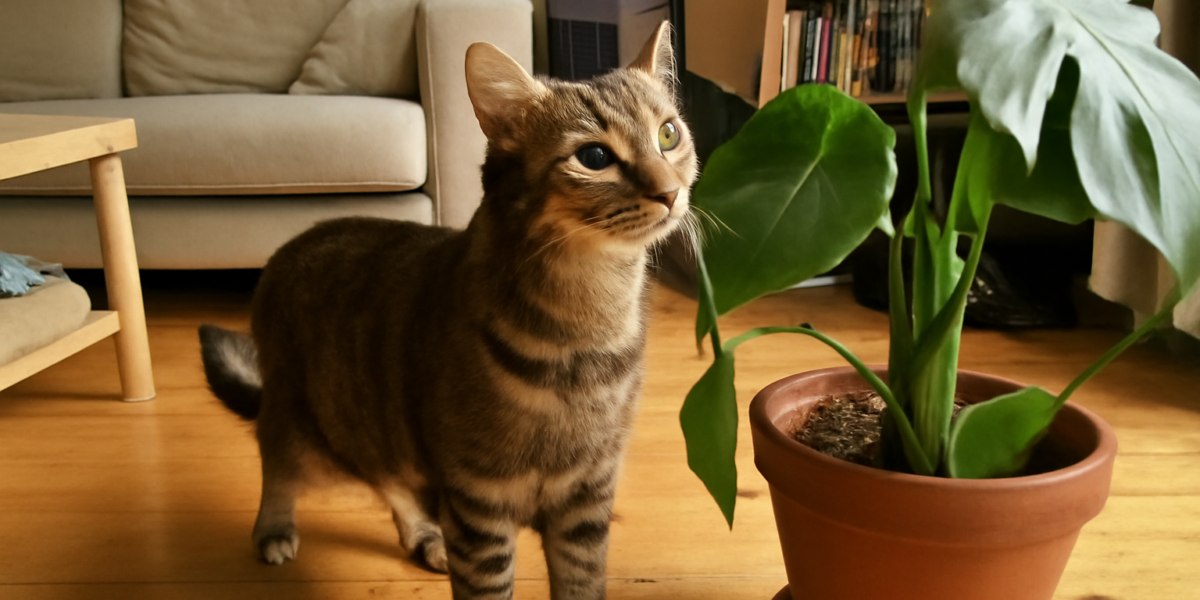
Houseplants. A staggering number of common houseplants are toxic to cats. Lilies top the list — even a small nibble on a petal or a sip of vase water can cause fatal kidney failure. Pothos, philodendrons, dieffenbachia, sago palm, aloe vera, jade plants, and snake plants are all dangerous. Before purchasing any houseplant, verify that it is safe for cats. If you are unsure which cat breeds are more prone to plant-chewing behavior, research your cat’s breed tendencies and adjust your plant choices accordingly.
Essential oil diffusers. Essential oils have surged in popularity, but many are acutely toxic to cats. Tea tree oil, peppermint oil, eucalyptus oil, cinnamon oil, citrus oils, pennyroyal, wintergreen, and ylang-ylang can all cause poisoning. Diffusers disperse microscopic oil droplets into the air, which settle on your cat’s fur and are ingested during grooming. Cats lack a key liver enzyme (glucuronyl transferase) needed to metabolize these compounds, so even passive diffuser exposure can cause drooling, vomiting, tremors, and liver damage over time. If you use a diffuser, do so only in rooms your cat cannot access, and never apply essential oils directly to a cat’s skin or food.
Candles and air fresheners. Scented candles with lead-core wicks release toxic particles when burned. Plug-in air fresheners and spray deodorizers contain volatile organic compounds that cats inhale in concentrated amounts because they spend time on the floor and in enclosed spaces. Opt for unscented or naturally ventilated alternatives, and ensure your living room has adequate airflow.
Garage and Utility Areas: The Deadliest Chemicals
The garage and utility rooms contain some of the most lethal household items toxic to cats. Many of these are palatable to animals — antifreeze, in particular, has a sweet taste that attracts cats and dogs alike.
Antifreeze (ethylene glycol). Antifreeze is one of the single deadliest substances a cat can encounter. Just one teaspoon can be fatal. It is sweet-tasting, often brightly colored, and commonly found in puddles on garage floors, in spilled containers, or in leaking car radiators. Symptoms include apparent intoxication within 30 minutes — stumbling, vomiting, increased thirst and urination — followed by a dangerous window of apparent improvement before acute kidney failure sets in 12 to 24 hours later. If you suspect antifreeze ingestion, this is a true emergency requiring immediate veterinary treatment. Consider switching to propylene glycol-based antifreeze, which is significantly less toxic.
Pesticides and herbicides. Insect sprays, ant baits, slug pellets, and weed killers are all dangerous. Cats can be poisoned by walking through treated areas and then grooming their paws. Organophosphate and carbamate insecticides are particularly dangerous. Store all pesticides in sealed containers on high shelves or in locked cabinets, and keep cats indoors for at least 48 hours after any outdoor chemical treatment.
Rodent poison (rodenticides). Rat and mouse poisons are designed to be attractive to animals, which makes them extremely dangerous to cats — both through direct ingestion and through secondary poisoning when a cat catches and eats a rodent that has consumed bait. Anticoagulant rodenticides cause internal bleeding that may not become apparent for several days. Bromethalin-based poisons attack the nervous system. If you must control rodents, use snap traps in locations inaccessible to cats rather than chemical bait.
Laundry Room: Deceptively Dangerous
The laundry room is often overlooked in discussions of household items toxic to cats, but it contains several real threats.
Laundry detergent pods. The concentrated, brightly colored liquid inside detergent pods is highly caustic. Cats may bat these around like toys, and puncturing the thin membrane releases concentrated surfactants that cause severe chemical burns to the mouth, esophagus, and eyes. Even licking residue off a pod can cause vomiting and respiratory distress. Store pods in sealed, hard-sided containers on a high shelf or behind a child-locked door.
Dryer sheets and fabric softener. Dryer sheets contain cationic surfactants that can cause chemical burns in the mouth and gastrointestinal tract. Used dryer sheets are lighter and more accessible than fresh ones, and cats may play with them or lie on them if they fall behind the dryer. Fabric softener liquid is similarly hazardous. Keep laundry supplies in closed cabinets, and dispose of used dryer sheets in a covered wastebasket.
Bedroom: Nightstand Hazards and Small Objects
The bedroom feels like the safest room, but several common items found on nightstands and dressers are household items toxic to cats or present serious physical dangers.
Medications on nightstands. Prescription sleep aids, antidepressants, pain relievers, and even melatonin supplements left on a nightstand are within easy reach of a cat who shares your bed. Cats are most active during the night and early morning, which is exactly when you are least likely to notice them investigating a pill bottle. A single knocked-over bottle with a loose cap can be fatal. Always store nightstand medications in a drawer.
Hair ties, rubber bands, and string. Cats are famously obsessed with hair ties. The elasticity and size make them irresistible to bat around and chew. Swallowed hair ties can cause gastrointestinal obstructions that require surgical removal. The same applies to rubber bands, sewing thread, yarn, and ribbon. Keep these items in closed containers — a simple zippered pouch on your dresser can prevent an expensive and dangerous emergency surgery.
Holiday-Specific Dangers
Certain times of the year introduce seasonal household items toxic to cats that are not present during the rest of the year.
Christmas and winter holidays. Tinsel is one of the most dangerous holiday decorations for cats — it is essentially irresistible string that causes linear foreign body obstructions when swallowed. Christmas tree water may contain preservatives, pesticides, or fertilizers. Poinsettias cause mild oral irritation, but mistletoe and holly berries are significantly more toxic, causing gastrointestinal distress, cardiovascular problems, and potentially seizures. Liquid potpourri, often set out during the holidays, contains detergents and essential oils that burn the mouth and can cause liver damage.
Easter and spring. Easter lilies are among the most toxic plants for cats — even minimal contact can cause fatal kidney failure. Plastic grass in Easter baskets poses the same linear foreign body risk as tinsel. Chocolate eggs and candy are obvious hazards.
Halloween. Candy containing chocolate or xylitol, glow sticks (which contain a bitter but irritating chemical called dibutyl phthalate), and candles inside jack-o-lanterns are all seasonal risks.
Fourth of July and New Year’s Eve. While fireworks are primarily a stress and anxiety hazard, the chemical residue from sparklers and fireworks debris left in yards can be toxic if a cat walks through it and grooms contaminated paws.
What to Do If Your Cat Ingests a Toxin
Speed is critical. The faster you act, the better the outcome. Follow these steps if you suspect your cat has been exposed to any of the household items toxic to cats described above.
Step 1: Remove the source. Take the toxic item away from your cat and move your cat to a safe, clean area. If the substance is on your cat’s skin or fur, wrap your cat in a towel to prevent further grooming until you can get veterinary guidance.
Step 2: Do not induce vomiting unless instructed to do so. Many toxic substances — especially caustic chemicals like bleach, cleaning products, and essential oils — cause additional damage if vomited back up. Never give your cat hydrogen peroxide, milk, or any home remedy without explicit veterinary direction.
Step 3: Call for professional help immediately. Contact your veterinarian, the nearest emergency animal clinic, the ASPCA Animal Poison Control Center at (888) 426-4435, or the Pet Poison Helpline at (855) 764-7661. Be prepared to tell them your cat’s approximate weight, the substance involved, the estimated amount ingested, and how long ago exposure occurred.
Step 4: Gather information. Bring the product packaging, the plant, or a photo of the substance to the veterinary clinic. Knowing the exact active ingredients helps the veterinary team choose the most effective treatment protocol.
Step 5: Follow veterinary instructions exactly. Treatment may include decontamination (induced vomiting or activated charcoal), IV fluid therapy, blood work monitoring, or specific antidotes depending on the toxin involved. Do not skip follow-up appointments — some toxins cause delayed damage that only appears on lab work days later.
Prevention Checklist: Cat-Proofing Your Home
Use this room-by-room checklist to eliminate or secure household items toxic to cats throughout your home.
Kitchen: Store onions, garlic, chocolate, and coffee in sealed containers or closed cabinets. Use trash cans with secure lids. Keep countertops clear of food, especially during meal prep. Never leave alcoholic beverages unattended.
Bathroom: Store all medications — prescription and over-the-counter — in closed medicine cabinets or drawers. Use covered wastebaskets. Rinse all surfaces thoroughly after cleaning. Keep dental floss and cotton swabs in drawers.
Living room: Verify every houseplant against a reliable toxicity database before bringing it inside. Avoid essential oil diffusers in rooms your cat uses. Choose unscented candles or ensure adequate ventilation. Secure electrical cords.
Garage: Store antifreeze, pesticides, and rodent bait in locked cabinets. Clean up any fluid spills immediately. Switch to propylene glycol-based antifreeze. Use snap traps instead of chemical rodenticides.
Laundry room: Store detergent pods in sealed, hard-sided containers. Keep dryer sheets in a closed cabinet. Dispose of used dryer sheets in covered bins. Check the dryer drum before starting a cycle — cats climb into warm dryers.
Bedroom: Move nightstand medications into drawers. Store hair ties, rubber bands, and sewing supplies in closed containers. Keep jewelry — especially earring backs and small chains — off accessible surfaces.
Holiday seasons: Skip tinsel entirely. Use artificial Easter grass alternatives. Keep all candy in sealed containers. Choose cat-safe flowers and decorations. Avoid liquid potpourri.
If you are preparing to adopt a new cat or kitten, complete this checklist before bringing your pet home. Prevention is always easier, safer, and less expensive than emergency treatment.
Frequently Asked Questions
What is the most common household item that poisons cats?
Human medications — particularly acetaminophen (Tylenol), ibuprofen, and prescription drugs — are the most frequently reported household items toxic to cats. This is often because pills are dropped on the floor and not recovered, or because well-meaning owners attempt to treat a cat’s pain with human painkillers. Even one regular-strength acetaminophen tablet can be lethal to a cat. Never give your cat any medication that has not been specifically prescribed by a veterinarian.
Can cats be poisoned by walking on a cleaned floor?
Yes. Cats walk on freshly cleaned surfaces and then groom their paws, ingesting whatever residue is present. Cleaning products containing bleach, phenol, pine oil, or quaternary ammonium compounds are all hazardous. To minimize risk, rinse cleaned surfaces with plain water after using chemical cleaners and keep cats out of the area until everything is fully dry. Alternatively, use pet-safe cleaning products for areas your cat frequents.
Are essential oil diffusers safe to use around cats?
Many are not. Cats lack the liver enzyme glucuronyl transferase, which means they cannot metabolize certain compounds found in essential oils. Tea tree, peppermint, eucalyptus, cinnamon, citrus, and wintergreen oils are among the most dangerous. Even passive diffuser exposure can cause respiratory irritation, drooling, vomiting, and liver damage. If you want to use a diffuser, run it only in a well-ventilated room your cat cannot enter, and never apply essential oils to your cat’s fur or skin.
My cat ate a small piece of onion — should I go to the vet?
Yes. While a single tiny piece may not cause severe toxicity, onion and garlic poisoning is dose-dependent and cumulative. The toxic effects may not appear for several days, by which time significant red blood cell damage may have occurred. Contact your veterinarian, describe the amount ingested, and follow their guidance. It is always safer to call and be reassured than to wait and discover your cat is anemic.
How do I know if my cat has been poisoned?
Common signs of poisoning in cats include sudden vomiting, diarrhea, drooling, lethargy, loss of appetite, difficulty breathing, pale or blue-tinged gums, tremors, seizures, and collapse. Some toxins cause symptoms within minutes, while others — like antifreeze or certain plants — may not show full effects for 12 to 72 hours. If your cat is behaving abnormally and you cannot rule out exposure to any of the household items toxic to cats listed in this guide, contact your veterinarian immediately. Early intervention is almost always the deciding factor in survival.


