
Last updated: April 8, 2026
In this article
Can Cats Eat Pickles? Safety Guide for Cat Owners
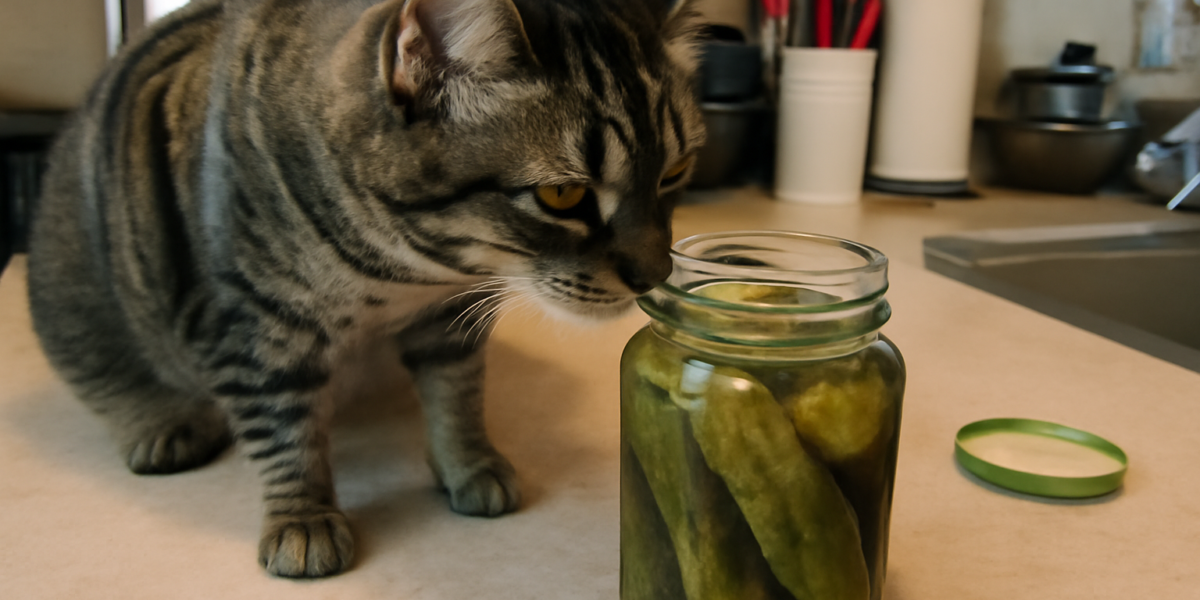
Pickles are a beloved condiment and snack for many people — tangy, crunchy, and satisfyingly briny. If you are eating pickles and your cat seems intrigued by the smell or attempts to investigate your plate, you might wonder whether sharing a small piece is harmless. The answer, unfortunately, is that pickles present multiple problems for cats. What seems like a simple cucumber in a jar is actually a concentrated delivery system for several substances that cats should not consume.
Quick Answer: No, cats should not eat pickles. While plain cucumber is safe for cats, pickles are made with large amounts of salt, vinegar, and often garlic and onion — all of which are harmful to cats. The high sodium content alone can cause serious health issues, and garlic and onion are outright toxic to felines. Keep pickles and pickle brine away from your cat entirely.
Quick Answer: Are Pickles Safe for Cats?
Pickles are not safe for cats. The distinction between a fresh cucumber — which is non-toxic and safe for cats in small amounts — and a pickle is entirely defined by the pickling process, and that process introduces multiple ingredients that are problematic or dangerous for felines.
A standard dill pickle is a cucumber that has been soaked in a brine solution typically consisting of water, salt, vinegar, and various spices. The salt concentration alone makes pickles inappropriate for cats. A single medium dill pickle can contain 700 to 1,300 milligrams of sodium, while a cat’s total daily sodium requirement is approximately 42 milligrams per kilogram of body weight. For a typical four-kilogram cat, that means roughly 168 milligrams per day — a fraction of what a single pickle contains.
Beyond sodium, most pickle recipes include garlic, onion, or both in the brine. Garlic and onion belong to the Allium family and are toxic to cats. They cause oxidative damage to red blood cells, leading to a condition called Heinz body anemia, which can be severe and potentially fatal. The concentration of these compounds in pickle brine may vary, but any exposure is a concern.
When people ask can cats eat pickles, the answer is no — not because cucumber is dangerous, but because everything done to turn a cucumber into a pickle makes it unsuitable for feline consumption. This is not a case of “a tiny bite is probably fine.” The combination of excessive sodium, acetic acid, and potentially toxic aromatics creates a genuine health risk.
Nutritional Considerations for Cats
To understand why pickles are inappropriate for cats, it helps to examine the specific components of a typical pickle and assess each one against feline dietary tolerances.
Sodium (salt). Salt is the primary preservative in pickle brine, and the sodium content of pickles is extraordinarily high relative to a cat’s needs and tolerance. Cats require small amounts of sodium for normal cellular function, nerve transmission, and fluid balance — but these needs are fully met by a complete commercial cat food. Excessive sodium intake in cats can cause increased thirst and urination (polyuria/polydipsia), dehydration, elevated blood pressure, and in severe cases, sodium ion poisoning. Symptoms of sodium toxicity include vomiting, diarrhea, tremors, elevated body temperature, seizures, and potentially death. Even a few bites of pickle deliver sodium far in excess of what a cat’s kidneys are designed to process efficiently.
Vinegar (acetic acid). Pickle brine typically uses white vinegar or apple cider vinegar, both of which contain acetic acid. Cats’ digestive systems are not adapted to handle acidic foods. The acidity of vinegar can irritate the oral mucosa, esophagus, and stomach lining, potentially causing nausea, vomiting, and gastrointestinal discomfort. While small amounts of vinegar are unlikely to cause serious harm, there is no benefit to exposing a cat’s digestive tract to unnecessary acid.
Garlic. Many pickle recipes include garlic cloves in the brine. Garlic is toxic to cats — significantly more so than onion on a per-weight basis. Garlic contains organosulfur compounds (particularly thiosulfates) that cats cannot metabolize effectively. These compounds cause oxidative damage to hemoglobin in red blood cells, producing Heinz bodies — abnormal inclusions that weaken the cells and lead to their premature destruction. The result is hemolytic anemia, which can develop within days of exposure and requires veterinary treatment. Garlic toxicity is dose-dependent, but cats are far more sensitive than dogs or humans, and even small amounts are concerning.
Onion. Like garlic, onion is an Allium species that is toxic to cats through the same mechanism — oxidative red blood cell damage. Onion in any form (raw, cooked, powdered, or as part of a brine) poses a risk. Some pickle varieties include onion slices, pearl onions, or onion powder in the brine recipe. The toxic dose for cats is estimated at approximately 5 grams of onion per kilogram of body weight, but chronic low-level exposure can be harmful as well.
Spices and additives. Various pickle recipes include dill, mustard seed, peppercorns, celery seed, bay leaves, sugar, and other flavorings. While most of these individual spices are not acutely toxic to cats, they serve no nutritional purpose for felines and can contribute to digestive irritation. Some specialty pickles include chili peppers, horseradish, or turmeric — all of which can cause gastrointestinal upset in cats.
Cats are obligate carnivores whose nutritional needs are met entirely by animal-based protein and fat. Nothing in a pickle — not the cucumber base, and certainly not the brine — provides anything that a cat’s body needs or is designed to process. For safe food options for your feline companion, our guide on blueberries for cats covers a food that actually qualifies as cat-safe.
Benefits and Risks of Pickles for Cats
There are no benefits to feeding pickles to cats. This section focuses entirely on the risks, which are numerous and significant.
Sodium toxicity. This is the most immediate and quantifiable risk. A cat that consumes pickle or pickle brine is ingesting sodium at levels that can overwhelm the kidneys’ ability to excrete it. Acute sodium toxicity in cats can occur with intake of approximately 2 to 3 grams of sodium per kilogram of body weight, but negative effects begin at much lower levels. Chronic high sodium intake contributes to hypertension (high blood pressure), which is already a common condition in older cats and is associated with kidney disease, heart disease, and retinal damage.
Allium toxicity. If the pickle was prepared with garlic, onion, or both — and most commercial dill pickles include at least one of these — any amount consumed by a cat introduces toxic compounds. The oxidative damage to red blood cells from Allium compounds is cumulative, meaning that repeated small exposures can be as harmful as a single larger exposure. Symptoms of Allium toxicity include lethargy, weakness, pale gums, elevated heart rate, rapid breathing, dark or reddish-brown urine (from hemoglobin released by damaged red blood cells), and collapse. This is a serious, potentially life-threatening condition.
Gastrointestinal distress. The combination of salt, acid, and spices in pickles creates a highly irritating mixture for a cat’s digestive system. Vomiting, diarrhea, nausea, and abdominal pain are likely outcomes if a cat consumes more than a trace amount. Even the smell of vinegar can be aversive to many cats, which serves as a natural deterrent — though not all cats will be deterred.
Dehydration. High sodium intake triggers excessive thirst and urination as the body attempts to dilute and excrete the sodium overload. This process can lead to dehydration, particularly if the cat does not drink enough water to compensate. Dehydration is a serious concern for cats, who are already prone to insufficient water intake, and can exacerbate pre-existing kidney conditions.
Kidney stress. The kidneys are responsible for filtering excess sodium from the blood. Cats with any degree of kidney compromise — including the early, often undiagnosed kidney disease common in older cats — are particularly vulnerable to the sodium load in pickles. Even in cats with healthy kidneys, the disproportionate sodium burden from pickle consumption places unnecessary stress on renal function.
Pickle brine is equally dangerous. Some owners might not offer their cat a pickle directly but may be unaware that pickle brine — the liquid in the jar — is just as harmful, if not more so, because it contains concentrated salt, vinegar, and any garlic or onion compounds that have leached into the liquid. Cats should never be allowed to drink pickle juice or brine. Spills should be cleaned promptly.
What to Do If Your Cat Eats a Pickle
If your cat has eaten a small piece of pickle, the following steps will help you assess and manage the situation.
Determine what was consumed. Try to estimate how much pickle your cat ate and check the ingredient label on the jar. The most critical information is whether the brine contained garlic or onion. Sodium content per serving is also useful to note. A single small nibble of a pickle is unlikely to cause serious harm, but knowing the ingredients helps guide your response.
Provide fresh water. Make sure your cat has immediate access to plenty of fresh, clean water. The sodium in the pickle will trigger thirst, and adequate hydration helps the kidneys process and excrete the excess sodium.
Monitor for symptoms. Watch your cat closely for the next 24 to 72 hours. Key symptoms to watch for include excessive drinking, excessive urination, vomiting, diarrhea, lethargy, loss of appetite, pale gums, weakness, and changes in breathing. If the pickle contained garlic or onion, extend your monitoring period to several days, as Heinz body anemia can take two to five days to develop after exposure.
Contact your veterinarian. If your cat consumed more than a small nibble, if the pickle contained garlic or onion, or if your cat shows any concerning symptoms, call your veterinarian. Describe what was eaten, the quantity, the ingredients in the brine, and any symptoms observed. Your vet can advise on whether an examination, blood work, or other intervention is needed.
Do not induce vomiting without veterinary guidance. The acidic nature of pickle brine means that inducing vomiting could cause additional esophageal irritation. Only induce vomiting if specifically directed to do so by your veterinarian.
Signs of Problems After Eating Pickles
The symptoms a cat may exhibit after eating pickles depend on the amount consumed and the specific ingredients in the brine.
Mild exposure (a small lick or tiny piece):
- Increased thirst
- Mild gastrointestinal upset (brief nausea or a single episode of vomiting)
- Temporary loss of appetite
Moderate exposure (several bites or access to brine):
- Persistent vomiting
- Diarrhea
- Excessive drinking and urination
- Lethargy
- Abdominal discomfort
Significant exposure or exposure to garlic/onion-containing pickles:
- All of the above symptoms, plus:
- Pale or yellowish gums (from anemia)
- Weakness and reluctance to move
- Rapid breathing or panting
- Dark reddish-brown urine (hemoglobinuria)
- Elevated heart rate
- Collapse (in severe cases)
Any cat showing signs beyond mild, self-resolving gastrointestinal upset should be seen by a veterinarian. Anemia from Allium toxicity and sodium ion poisoning are both conditions that require professional treatment. If you are preparing to welcome a cat into your home, knowing which household foods are dangerous is a crucial part of creating a safe environment — visit our adoption page to find cats looking for their forever families.
Healthy Alternatives to Pickles for Cats
If your cat seems interested in pickles, it may be attracted to the smell, the crunchy texture, or simply the novelty of whatever you are eating. Here are safe alternatives that can satisfy that curiosity without the risks.
Plain cucumber. Since a pickle starts as a cucumber, offering your cat a small piece of fresh, plain cucumber is the most logical safe alternative. Fresh cucumber is non-toxic to cats, very low in calories, and over 95 percent water, making it a hydrating treat. Peel the skin (to remove potential pesticide residue), remove the seeds, and cut a small piece appropriate for your cat’s size. Many cats enjoy the crisp texture.
Plain cooked chicken. If your cat is begging while you eat, it may simply want food attention rather than pickles specifically. A small piece of unseasoned, boneless, skinless cooked chicken is the safest and most nutritionally appropriate option. It aligns with feline dietary needs and is almost universally enjoyed.
Cooked green beans. Plain, steamed green beans cut into small pieces are a safe, low-calorie vegetable treat. They provide some fiber and are well-tolerated by most cats. Never use canned green beans, which typically contain added sodium.
Small piece of melon. Seedless watermelon or cantaloupe in small amounts provides hydration and a novel flavor experience. Remove all seeds and rind, and serve only a small piece of the soft flesh.
Commercial cat treats. Purpose-formulated cat treats are designed to be safe and appealing. They remove the guesswork from treating your cat. Choose products with named meat as the first ingredient and minimal artificial additives. Freeze-dried single-ingredient meat treats (chicken, salmon, turkey) are excellent options that closely match a cat’s natural dietary profile.
The key principle when choosing treats for your cat is to select foods that either align with their obligate carnivore biology or, if plant-based, are demonstrably safe and served in minimal quantities. Pickles fail this test on multiple levels, but plenty of alternatives pass with ease. For broader guidance on feeding and caring for cats, our guide on guava for cats covers another common food safety question.
Frequently Asked Questions
Can cats eat sweet pickles?
No. Sweet pickles are even less appropriate for cats than dill pickles. Sweet pickle brine contains all the same problematic ingredients — salt, vinegar, and often garlic or onion — with the addition of large amounts of sugar. The sugar content in sweet pickles can exceed 5 grams per pickle, which is significant for a cat’s carbohydrate-limited metabolism. Cats cannot taste sweetness and have no biological drive toward sweet foods, and the combination of high sodium and high sugar is particularly poor for feline health. Sweet pickles, bread-and-butter pickles, and candied pickles should all be kept away from cats.
Is pickle juice dangerous for cats?
Yes, pickle juice (brine) is potentially more dangerous than the pickles themselves. The brine is a concentrated solution of salt, vinegar, and whatever spices and aromatics were used in the recipe — including garlic and onion in most commercial dill pickle preparations. The liquid form means a cat could potentially lap up a significant amount quickly, delivering a concentrated dose of sodium and any toxic compounds in the brine. A cat that drinks pickle juice is at risk for sodium toxicity, gastrointestinal irritation, and Allium poisoning if garlic or onion were present. Never leave an open jar of pickles or a spilled puddle of brine accessible to your cat.
My cat licked a pickle once. Should I worry?
A single lick of a pickle is unlikely to cause serious harm in most cases. The amount of sodium, vinegar, and any garlic or onion compounds absorbed from a single lick is very small. Your cat may experience brief nausea or increased thirst, but serious toxicity from such minimal exposure is improbable. However, monitor your cat for any unusual symptoms over the next 24 hours, and do not allow it to happen again. The concern with pickles is not a single lick but repeated exposure or consumption of larger amounts.
Can cats eat pickled vegetables other than cucumbers?
The problem with pickles for cats is the pickling process, not the vegetable base. Any pickled food — pickled beets, pickled peppers, pickled onions, pickled eggs, kimchi, sauerkraut — shares the same fundamental issues: excessive sodium, vinegar acidity, and potentially toxic brine ingredients. Pickled onions are doubly dangerous because the vegetable itself is toxic to cats. As a general rule, any food that has been pickled, brined, or fermented in a salt-and-vinegar solution is inappropriate for cats. Offer fresh, plain versions of cat-safe vegetables instead.
Why does my cat seem attracted to pickles?
Cats that show interest in pickles are likely responding to the strong smell rather than any desire to eat the food itself. Cats have a highly developed sense of smell with approximately 200 million olfactory receptors — compared to about 6 million in humans — and strong-smelling foods naturally attract their investigative instincts. The pungent aroma of vinegar and brine spices is unusual enough to trigger curiosity. Some cats may also simply be interested in whatever their owner is eating, regardless of the specific food. This investigative behavior should not be mistaken for genuine appetite or nutritional need. Redirect your cat’s attention to a safe treat instead.
Are pickled capers or olives safe for cats?
No. Pickled capers and olives carry the same sodium and brine concerns as pickled cucumbers. Olives contain an additional complication in that some cats are attracted to olives due to a compound called isoprenoid, which is structurally similar to nepetalactone — the active compound in catnip. This attraction can lead cats to eat olives enthusiastically, but the brine-soaked versions found in jars are far too salty for safe feline consumption. If your cat is drawn to olives, a single rinsed, pitted olive offered very occasionally is less harmful than a brined one, but it is still not an ideal treat due to residual sodium and fat content.


